
New Articles: September 2026
Thirteen new articles were published in September, focusing heavily on applying foundational Buddhist principles to the complexities of modern daily life, relationships, and mental well-being, along with updates to the site’s core resources.
Buddhist Comics: Dependent Origination, Not-Self, and Emptiness introduces the most profound and often misunderstood Buddhist doctrines through an accessible visual medium, breaking down complex philosophical concepts into clear, everyday illustrations.
Non-Attachment and Moral Action: A Buddhist Perspective on Engaged Practice addresses the perceived tension between inner equanimity and social justice, revealing Buddhist non-attachment as freedom from reactive clinging rather than passive indifference. It demonstrates how systemic suffering can be confronted vigorously without compromising mental clarity.
Setting Intentions in Buddhism explains how intention (cetanā) is the driving force of kamma. By exploring the roots of our choices, practitioners can actively cultivate Right Intention, training the mind toward renunciation, goodwill, and harmlessness.
Buddhist Clear Seeing: Seeing Things as They Really Are explores how to observe the mind and the world without the habitual distortions of craving or aversion. Rooted in vipassanā and Right View, it offers a steady practice of mindfulness to recognize impermanence and loosen the grip of attachment.
Integrity: A Buddhist Approach explores how Buddhist teaching understands moral integrity. It provides an exploration of sīla, intention, truthfulness, and the Five Precepts as a firm foundation for daily practice across both Theravāda and Mahāyāna perspectives.
Buddhism and Overthinking: When Thought Becomes Suffering examines the nature of mental proliferation (papañca) through a Buddhist lens, offering practical contemplative tools to step out of rumination and return to present-moment awareness.
The Buddhist Way of Dealing with Regret offers a practical look at processing past unskillful actions without falling into toxic guilt, using the teachings of self-compassion, amends, and the understanding of impermanence to move forward constructively.
A Buddhist Approach to Overcoming Loneliness addresses modern isolation by exploring the difference between loneliness and the wholesome joy of solitude (viveka), teaching how to cultivate a deep sense of interconnectedness even when physically alone.
A Buddhist Approach to the Sandwich Generation applies the Dhamma directly to the pressures of simultaneously caring for aging parents and growing children, offering frameworks for balancing compassion, boundaries, and equanimity to prevent burnout.
About Buddhist Learning For All updates the site’s foundational mission, vision, and dedication to offering accessible, non-sectarian Buddhist education for practitioners at all levels.
Navigating the Unknown: A Buddhist Approach to Uncertainty explores how the teachings of impermanence (anicca) can transform our relationship with the unpredictable, helping practitioners find stability not in external guarantees, but in inner groundedness.
Recommended Reading for Students provides a newly curated list of essential texts, spanning introductory guides, canonical translations, and practical meditation manuals.
Dealing with Difficult People: The Buddhist Approach applies the teachings of loving-kindness (mettā) and equanimity (upekkhā) to challenging interpersonal dynamics, showing how to maintain boundaries without succumbing to aversion or ill-will.
New Articles: August 2026
Nine new articles were published in August, bringing together historical overviews, deep doctrinal explorations, and practical guides to integrating mindfulness into complex daily environments.
Mindfulness Meets the Real World bridges the gap between the meditation cushion and the demands of modern life, offering actionable advice for sustaining awareness during stressful work days, commutes, and difficult conversations.
Winning, Losing, and the Buddhist Path to Victory recontextualizes the concept of success. Drawing on the Dhammapada’s assertion that conquering oneself is greater than conquering a thousand others, it examines how to navigate ambition and competition without clinging.
Dependent Origination: Understanding the Cause and Cessation of Suffering provides a comprehensive but accessible breakdown of Paṭiccasamuppāda. It walks through the twelve links to show exactly how suffering arises and, crucially, how that cycle can be broken.
The Life of the Buddha offers a clear, historical, and narrative overview of Siddhartha Gautama’s journey from sheltered prince to awakened teacher, focusing on the universal human struggles that drove his quest for liberation.
Clinging in Buddhism explores the nuances of upādāna (clinging or grasping), detailing the four types of clinging identified by the Buddha—clinging to sensual pleasures, views, rituals, and a doctrine of self—and how to release them.
The Unshakeable Ground: Cultivating Truthfulness (Sacca) on the Buddhist Path shows that truthfulness extends far beyond avoiding deliberate deception. It explores how practicing integrity builds genuine trust, clears the mind of self-deception, and creates the essential conditions for spiritual insight.
The Five Aggregates (Khandhas): A Contemplative Guide breaks down the Buddha’s teaching on the components of human experience—form, feeling, perception, mental formations, and consciousness—to demonstrate how the illusion of a solid “self” is constructed moment to moment.
The Two Truths Doctrine: A Nuanced Guide with Sutta References distinguishes conventional appearances from ultimate analysis. It traces this distinction from early suttas through Madhyamaka philosophy, serving as a practical companion for finding the middle way between reification and nihilism.
Buddhist Comics Part III: The Eightfold Path continues the site’s illustrated series, breaking down the Buddha’s comprehensive path of ethics, meditation, and wisdom into engaging, easy-to-understand visual narratives.
New Articles: July 2026
Two detailed articles were published in July, focusing on communal harmony and deep contemplative practice.
The Six Qualities of a Harmonious Saṅgha outlines the principles that sustain a healthy spiritual community. Drawing on canonical texts, it explores the foundations of mutual respect, shared ethical standards, and collective harmony required for practitioners to support one another on the path.
Emptiness (Śūnyatā) in Buddhism: 108 Contemplations provides an extensive, structured series of reflections designed to help practitioners internalize the concept of emptiness. Moving beyond mere intellectual understanding, it offers 108 distinct entry points into directly experiencing the interdependent, un-fixed nature of reality.New Articles: June 2026

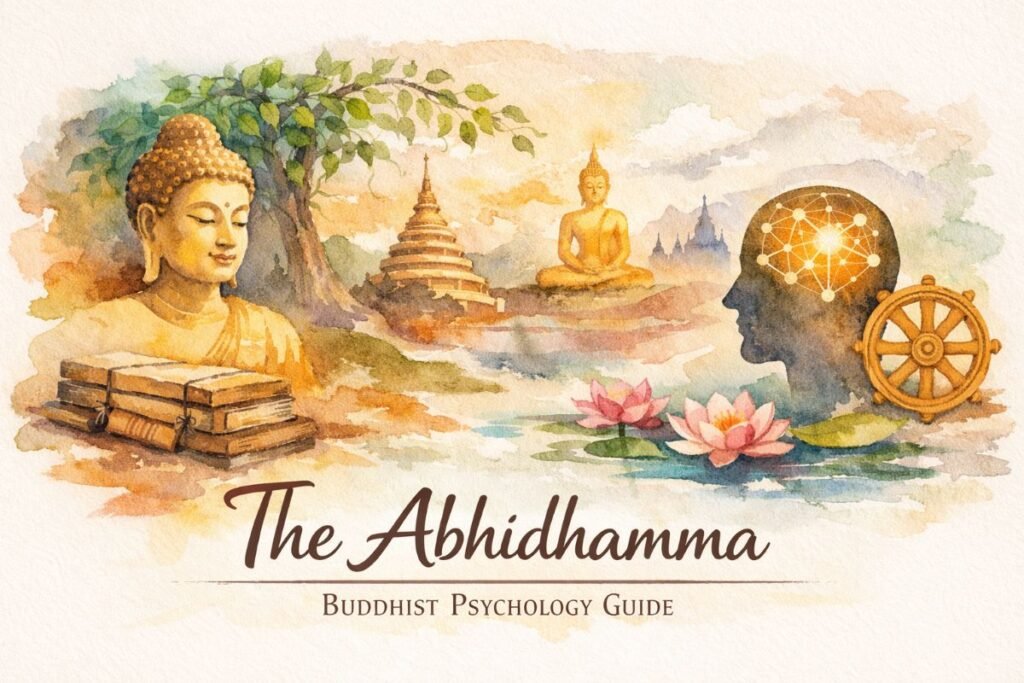

Twenty-five new articles were published in June, the site’s most active month yet. Coverage included a complete beginner’s track for newcomers to the site, an expanded set of doctrinal and meditation articles, the site’s first dedicated treatments of the Pāli Canon and the Abhidhamma, full coverage of the four major Buddhist observance days, and continued growth of the master glossary.
108 Misunderstandings About Buddhism works through 108 common misunderstandings about the tradition, spanning the nature of the Buddha, karma and rebirth, dependent origination, the Eightfold Path, monastic and lay practice, sectarian differences, and contemporary adaptations, drawing on Pāli, Mahāyāna, and Vajrayāna sources for clarification. Each entry traces the origin of the misunderstanding and points toward what the relevant canonical material actually says.
The Sand Mandala: A Philosophical Education in Ritual and Impermanence explores the Tibetan dültsön kyilkhor as a Vajrayāna practice that integrates art, ritual, and philosophy. Through its meticulous construction and deliberate dissolution, the sand mandala enacts teachings on impermanence, dependent origination, emptiness, and compassion. The article covers the history, symbolism, doctrinal foundations, and contemplative significance of the practice within the broader context of Tibetan Buddhist understanding.
Sand Mandala Glossary accompanies the article above with a dedicated reference covering Tibetan Buddhist terminology, Vajrayāna doctrine, ritual practice, symbolism, deities, and sacred art.
How to Start a Buddhist Practice: A Simple 30-Minute Routine offers a complete Theravāda routine combining mindfulness of breathing (ānāpānasati) with loving kindness meditation (mettā), structured across four phases for practitioners ready to extend a shorter sit into a fuller daily practice. Drawn from the Satipaṭṭhāna Sutta and the Karaṇīya Mettā Sutta, every term is explained in plain language, with guidance for working with common obstacles such as restlessness, doubt, and sleepiness.
How to Meditate: A Beginner’s Guide to Buddhist Meditation is a step by step introduction to mindfulness of breathing for complete beginners, covering posture, working with a wandering mind, and the five hindrances, with guidance for carrying the practice into daily situations such as difficult conversations and chronic pain. It serves as a companion piece to the 30 minute routine published the same day.
What Buddhism Is (and Isn’t): A Clear Beginner Orientation offers a precise introduction for newcomers, distinguishing Buddhism as a path of investigation grounded in the Four Noble Truths from common misreadings such as blind faith, pessimism, mindfulness based stress reduction, and nihilism about the self. It surveys the major traditions, Theravāda, Mahāyāna, Vajrayāna, Zen, Pure Land, Secular, and Humanistic Buddhism, and closes with a practical orientation to beginning practice through ethics, meditation, and study.
Common Mistakes of New Buddhist Practitioners: A Gentle Guide to the Path examines recurring pitfalls for beginners across the Theravāda, Mahāyāna, and Vajrayāna traditions, including treating meditation as the whole of practice, expecting rapid transformation, misunderstanding the Middle Way, practising in isolation, mistaking intellectual knowledge for realisation, chasing extraordinary meditative experiences, clinging to a Buddhist identity, and using the path as an escape from responsibility. Each pitfall is illustrated with a worked example and a practical response.
The Two Truths: Conventional and Ultimate explores how conventional truth, the everyday world of cause and effect, and ultimate truth, the emptiness of fixed independent existence, can both be held without rejecting either. The article offers practical ways to apply both perspectives to work, relationships, difficult emotions, money, and social issues, with sutta references, meditation practices, and a glossary.
The Four Nutriments: Nourishing the Mind and Body for Modern Life draws on the Pāli Canon’s teaching on what sustains physical and mental life across four levels, edible food, sensory contact, mental intention, and consciousness, showing how mindful consumption at each level can reduce suffering and support a balanced way of living.
The Four Right Exertions offers a practical framework for directing mental energy wisely, preventing unwholesome states from arising, letting go of those already present, and nurturing wholesome qualities, with common misunderstandings clarified and real world examples for modern daily life.
Sixteen Aspects of Four Noble Truths expands the Four Noble Truths into a more granular framework for understanding stress, its causes, and the way to genuine peace, written in plain English for a mature audience and noting which Buddhist schools emphasise each aspect.
The Joy of Letting Go: A Layperson’s Guide to Buddhist Renunciation reframes renunciation (nekkhamma) away from the common misunderstanding of giving up everything one loves, presenting it instead as a gradual letting go of craving applied to lay life through simplifying possessions, setting boundaries with technology, and loosening attachment to identity, drawing on Theravāda, Mahāyāna, and Zen sources.
The Four Bases of Power (Iddhipāda): A Buddhist Framework for Balanced Achievement explores wholesome desire, persistent energy, focused intention, and investigative inquiry as a framework for overcoming procrastination and sustaining effort without burnout, rooted in the Pāli Canon and applicable to both meditation and daily undertakings.
What Is Nibbāna? Understanding the Unconditioned in Modern Life offers a clear, practical exploration of the Buddha’s teaching on the end of suffering and the Unconditioned, addressing common misreadings of Nibbāna as annihilation or as a distant afterlife, and showing its relevance to stable peace in ordinary modern circumstances.
Buddhism Q&A: 108 Core Questions joins the site’s contemplation series with a structured collection of 108 self contained questions and answers, moving from the nature of suffering and the Noble Eightfold Path through the Bodhisattva path and Vajrayāna to the application of the teachings in daily life, relationships, grief, and modern ethical dilemmas, each supported by canonical references.
Vajrayāna Buddhism: The Diamond Path of Rapid Transformation is the site’s dedicated overview of the tantric vehicle, covering its historical roots, its premise that all beings already possess Buddha nature, and its inner technologies of mantra, mandala, and deity yoga undertaken under the guidance of a qualified teacher.
Understanding the Pāli Canon: The Foundation of Buddhist Wisdom provides a thorough guide to the Tipiṭaka’s three baskets, the Discipline, the Discourses, and the Higher Teachings, including the five Nikāyas of the Sutta Piṭaka, the history of the Buddhist councils that preserved and transmitted the texts, and practical applications of the Canon’s teachings to stress, ethics, relationships, and mortality in contemporary life.
The 37 Factors of Enlightenment: A Practical Guide to the Bodhipakkhiyā Dhammā works through the seven interlocking groups of qualities the Buddha identified as essential for awakening, and how they can be cultivated amid the demands of contemporary life.
Buddhist Glossary continued to grow throughout the month, with new entries added to keep pace with the Vajrayāna, Ānāpānasati, Abhidhamma, and Nibbāna articles published in June.
Ānāpānasati: The Art and Science of Mindfulness of Breathing presents the Buddha’s complete sixteen step path of mindfulness of breathing, combining traditional instruction with a balanced look at the supporting scientific findings, grounded throughout in the early teachings.
Abhidhamma Explained Simply: A Guide to the Buddhist Psychology of Experience introduces the Theravāda analysis of mind and matter found in the third basket of the Pāli Canon, offering accessible frameworks for understanding emotions, reducing stress, and cultivating clarity in everyday life.
The Potential Within: Understanding Buddha-Nature in Modern Life draws on the Tathāgatagarbha sutras to explore the teaching that an innate potential for awakening is present in all beings, and how this can be applied to ease self criticism, see beyond difficult behaviour in others, and cultivate genuine compassion.
Vesak: The Buddha’s Birth, Enlightenment, and Final Passing offers a balanced overview of the festival’s origins, spiritual meaning, and observances across Theravāda, Mahāyāna, and Vajrayāna traditions, exploring how the symbolism of flowers, candles, and the Bodhi tree carries practical lessons for mindfulness, compassion, and ethical conduct today.
Asalha Puja: The First Turning of the Wheel of Dhamma traces the origins and scriptural foundations of the day the Buddha first taught the Four Noble Truths and the Noble Eightfold Path, surveys how the occasion is observed across the three major traditions, and offers grounded ways to bring its wisdom into daily life.
Māgha Pūjā: The Day of the Fourfold Assembly and the Heart of the Dhamma recalls the spontaneous gathering of 1,250 arahants who received the Buddha’s Ovāda Pāṭimokkha, the concise teaching on avoiding evil, doing good, and purifying the mind, tracing the observance’s origins, its message of patience and harmlessness, and the ways it is honoured across Buddhist traditions.
Kathina: Robe Offering Ceremony explains the scriptural origins of this Theravāda festival of generosity, the communal offering of robes to the monastic community, the five monastic privileges it confers, and how it continues to be celebrated across Asia and the West.
New Articles: May 2026



Five new articles were published in May, spanning karma, core doctrine, contemplative psychology, and applied practice.
Why Do Good People Suffer? A Buddhist View on Fortune, Misfortune, and Injustice examines the limits of kamma as an explanation for suffering, making clear that victim-blaming finds no support in the Buddha’s teachings. Drawing on key suttas, the article explores the role of systemic conditions — greed, hatred, and delusion operating beyond individual action — alongside kamma’s personal dimension, and offers practical guidance for responding wisely to fortune and misfortune alike.
Emptiness, Dependent Origination, and Not-Self treats these three teachings not as separate doctrines but as mutually illuminating perspectives on the same reality, with everyday examples, practice exercises, and guidance on how understanding any one of them can open the heart to the others.
The Five Remembrances (Upajjhaṭṭhāna Sutta, AN 5.57) offers a close reading of the five daily contemplations on aging, illness, death, separation from the beloved, and kamma — examining how sustained reflection on these truths dissolves the three intoxications, cultivates saṃvega (existential urgency), and turns ordinary awareness toward the path.
Why We Defend a Self That Keeps Changing explores the psychological and doctrinal roots of self-protection, drawing on the teachings of not-self, the three poisons, and impermanence to examine why the mind clings so tenaciously to a construct the Dhamma identifies as a primary source of suffering, and what loosening that grip makes possible.
112 Contemplations for Buddhist Psychology extends the 108 Contemplations series with a slightly expanded set of 112 structured reflections on the mind’s patterns, the aggregates, mindfulness, and emptiness — designed for sustained practitioners who want depth and daily engagement with a single subject rather than an introductory overview.
New Articles: April 2026


Seven new articles were published in April, continuing the site’s focus on practical ethics, meditation, and applied Dhamma.
Failure in Ethics and Failure in View; Accomplishment in Ethics and Accomplishment in View examines how sīla (ethics) and diṭṭhi (view) work together in Buddhist practice — what happens when either fails, what changes when either is accomplished, and how these teachings apply to daily life, work, and relationships.
The Ten Fetters (Saṃyojanāni) offers a plain-language guide to the ten mental chains that bind the mind to dissatisfaction and continued becoming, walking through each fetter from self-view to ignorance with everyday examples and practical reflections.
Right Speech – The Noble and Ignoble Expressions of Speech explores the Buddha’s distinction between noble and ignoble expression, treating the precepts of right speech not as rigid rules but as practical training tools for truthfulness, kindness, and inner clarity.
Buddhist Practices for Overcoming Fear and Doubt approaches fear and doubt as conditioned mental factors rather than permanent character flaws, drawing on Theravāda teachings and the Pali suttas to share practical tools — mindfulness, loving-kindness, and wise reflection — for cultivating inner steadiness.
How to Practice Non-Attachment in Relationships distinguishes clinging from genuine care, introducing practical teachings such as the Four Sublime States and wise attention, and offering everyday examples of responding to relationship challenges with less fear and more freedom.
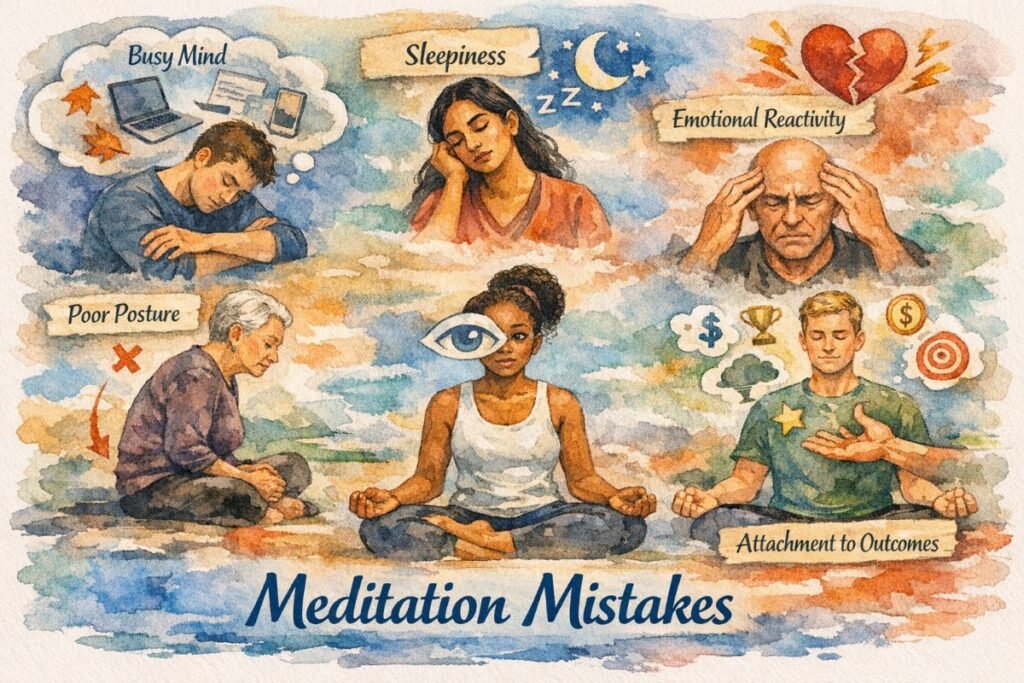
Common Meditation Mistakes and How to Correct Them addresses familiar difficulties — a wandering mind, drowsiness, emotional reactivity, poor posture, and attachment to results — drawing on the Buddha’s own teachings to offer simple, kind corrections for practitioners at any stage.
New Articles: March 2026
Fourteen new articles were published in March, spanning applied psychology, tradition overviews, and contemplative practice.
How Buddhism Supports Emotional Resilience explores how core Buddhist teachings — the Four Noble Truths, impermanence (anicca), the Ten Perfections (pāramīs), and the Four Divine Abodes — can be applied to build authentic emotional resilience in modern life, with practical examples drawn from patience (khanti), loving-kindness (mettā), equanimity (upekkhā), and determination (adhiṭṭhāna).
Critical Thinking, Intellectual Knowledge, and Buddhist Wisdom (Paññā) gently explores the distinction between knowing about Buddhism and truly living it, examining how critical thinking can serve as a genuine support on the path and what it means to cultivate insight that reaches beyond the page.
Buddhist Psychology: Understanding the Mind’s Patterns introduces core concepts such as sati, samādhi, and paññā within the experience-based framework of early Buddhist psychology, examining how habitual mental patterns create suffering and how they can be transformed through mindfulness, ethical living, and wisdom.
The Raft is Heavy: An Inquiry into How We Hold What Was Meant to Carry Us offers a compassionate reflection on how Buddhist traditions, identities, and institutions — meant to carry us across — can themselves become burdens, drawing on ten suttas and the Brahmavihāras to ask what it means to finally set the raft down.
Tibetan Buddhism: A Living Tradition of Wisdom and Compassion introduces the history, the four major schools (Nyingma, Kagyu, Sakya, and Gelug), core teachings on emptiness and bodhicitta, the sacred texts of the Kangyur and Tengyur, and meditation practices including Dzogchen and Mahamudra.
Pure Land Buddhism: An Introduction to the Tradition of Faith and Practice covers the tradition centred on Amitābha Buddha’s vow, exploring how Pure Land Buddhism guides practitioners toward rebirth in the Pure Land as a basis for deepening understanding, cultivating gratitude, and ethical awareness in daily life.
Beginner’s Mind: Shoshin and the Practice of Fresh Perception explores the Zen practice of shoshin — meeting each moment with openness, curiosity, and freedom from preconceptions — rooted in the teachings of Eihei Dōgen and Shunryū Suzuki, with practical guidance for cultivating freshness in meditation, relationships, and ordinary activities.
Buddhist Perspectives on Friendship and Community: The Strength and Importance of Sangha explores the meaning of spiritual friendship (kalyāṇa-mittatā), the role of community in sustaining practice, and how the Buddha’s teachings on relationship can illuminate contemporary life.
The Middle Way: Integrating Being Present with the Buddha’s Structured Path examines how to unify open awareness (sati) with the intentional training of the Noble Eightfold Path, framing mindfulness and discipline as the “two wings” of a sustainable practice grounded in the early suttas.
Devotion to Teachers in Buddhism: Inspiration vs Idealization explores the role of the spiritual teacher across Theravāda, Mahāyāna, and Vajrayāna traditions, outlining the qualities of a trustworthy guide, the risks of idealization, and the importance of spiritual friendship (kalyāṇa-mitta) that encourages independence rather than dependency.
Mindfulness in Ordinary Activities introduces the practice of bringing kind, non-judgmental awareness to simple daily tasks — walking, eating, working, caring for others — rooted in early Buddhist teachings on the four foundations of mindfulness (satipaṭṭhāna).
How to Be Compassionate Toward Yourself draws from suttas, meditation practices, and everyday examples to offer practical ways to develop a compassionate self-image without striving for perfection, inviting practitioners to meet their own suffering with the same care they would offer a dear friend.
The Buddhist Concept of Good and Bad Conduct: Body, Speech, and Mind presents the framework of the ten wholesome and unwholesome actions, their role in cultivating peace and understanding, and practical ways to apply them in daily life.
Three Unskillful Thoughts and Three Skillful Thoughts explores the six kinds of thought identified in the early discourses — three unskillful (sensuality, malice, and cruelty) and three skillful (renunciation, goodwill, and harmlessness) — drawing from the Dvedhāvitakka Sutta (MN 19) and Vitakkasaṇṭhāna Sutta (MN 20) to offer practical guidance for recognising and transforming thought patterns in daily life.
New Articles: February 2026
Six new articles have been published on buddhistlearning.org this month, covering a range of practical and contemplative topics.
How to Cultivate Gratitude Through Buddhist Teachings introduces the Pali concept of kataññutā (gratitude) as an intentional mindfulness practice rather than a passing emotion, framing it as an antidote to greed, aversion, and delusion and as a foundation for broader spiritual development.
The Heart of Patience: A Buddhist Guide to Cultivating Khanti in Modern Life focuses on khanti, the Pali term for patience, exploring how this virtue can be developed and applied in everyday situations, including challenging interpersonal encounters.
Non-Attachment: Finding Freedom in Letting Go examines the Buddhist teaching on non-attachment, explaining how craving (taṇhā) and clinging (upādāna) sustain suffering, and how releasing that grip — while still engaging fully with life — can lead to greater freedom.
How Buddhist Wisdom Can Help Overcome Consumerism applies Buddhist principles to the modern problem of excessive consumption, drawing connections between the teaching on desire and the environmental and psychological costs of consumer culture.
108 Buddhist Contemplations on Delusion offers a structured set of reflections on moha (delusion or ignorance), one of the three unwholesome roots in Buddhist psychology, aimed at helping readers recognise and overcome it.
108 Contemplations on Loving-Kindness (Metta) provides a comprehensive set of reflections on metta, following the symbolic significance of the number 108 in Buddhist tradition to systematically explore the development of an open and compassionate heart.
Previous: January 2026
Since opening in January 2026, Buddhist Learning For All has been building a collection of articles covering Buddhist teachings, practices, and traditions. We hope these resources may be helpful for anyone interested in learning about the Dharma.
Foundational Teachings
The site includes articles on the Four Noble Truths, the Noble Eightfold Path, the Three Jewels, the Three Marks of Existence, the Three Poisons, Dependent Origination, Emptiness, No-Self, Karma, and the Four Seals. Each element of the Eightfold Path has its own article: Right View, Right Intention, Right Speech, Right Action, Right Livelihood, Right Effort, Right Mindfulness, and Right Concentration.
Buddhist Traditions
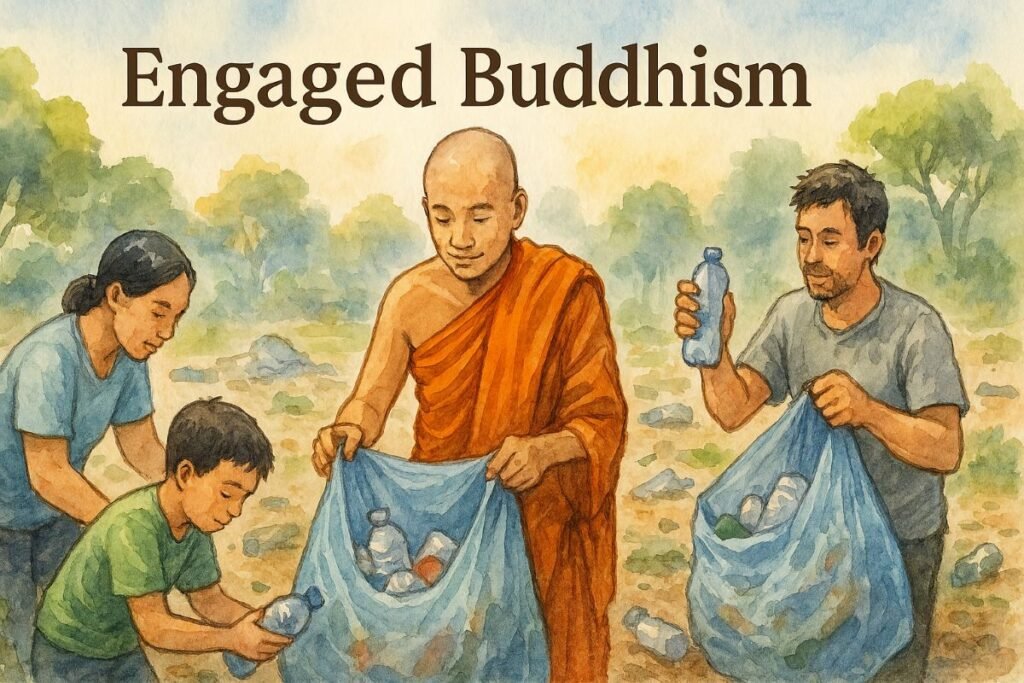

Articles introduce different Buddhist traditions and approaches: Theravada Buddhism, Mahayana Buddhism, Zen Buddhism, Engaged Buddhism, Humanistic Buddhism, and Secular Buddhism.
Meditation Practice
Meditation resources include guides to beginning daily meditation, Zazen, walking meditation, loving-kindness meditation, and the Four Foundations of Mindfulness. Articles address the Five Hindrances, the Seven Factors of Awakening, and the Five Strengths.
Ethical Practice


Content on ethics covers the Six Perfections, the Ten Perfections, the Ten Good Deeds, the nature of Buddhist ethics, and the Threefold Training (moral conduct, concentration, wisdom).
The Four Divine Abodes
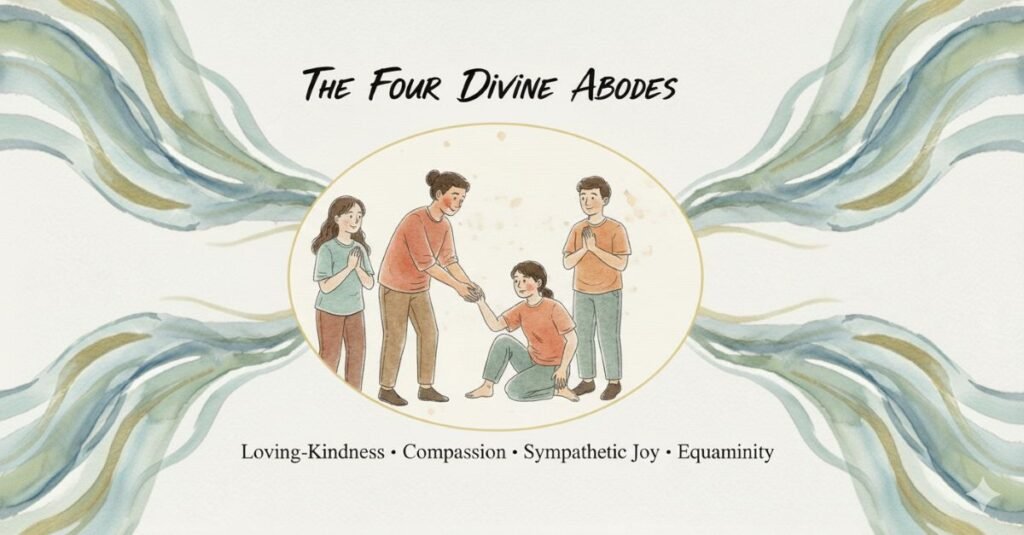
Separate articles explore loving-kindness (Mettā), compassion (Karuṇā), sympathetic joy (Muditā), and equanimity (Upekkhā), along with an overview of all four Brahmavihāras.
Application to Daily Life

Articles address applying Buddhist teachings to contemporary situations: stress management, working with anger, family and work relationships, questions about ambition and success, the Eight Worldly Concerns, Buddhist minimalism, and mindful eating. The site includes an article on Buddhism and mental health that references scientific research, and one on applying Buddhist practice to chronic pain management.
Life and Practice
Additional topics include Buddhist perspectives on aging, dying, and death; a guide to gradual practice for lay practitioners; meditation challenges and benefits; and cultivating joy, happiness, and contentment.
Books on Buddhism
A books page has been added, offering free PDF books under Creative Commons licenses. All books are available for download and sharing. The current collection includes:
- Buddhism For Busy People – Essential Buddhist teachings presented as a practical framework for understanding stress, desire, and peace in modern life
- The Boundless Heart – A guide to cultivating the Four Immeasurables (loving-kindness, compassion, sympathetic joy, and equanimity)
- Buddhist Dharma: The Ten Perfections – An exploration of the ten pāramitās, blending traditional teachings with practical application
- Buddhist Poems For All – Core Buddhist teachings presented through reflective verse
- Buddhist Poems For Inner Care – A compassionate exploration of anxiety through Buddhist teachings and poetry
- Buddhist Poems on Meditation – A guide to Buddhist meditation techniques from mindfulness to Zen and Tibetan practices
- The Dharma of Digital Life – Buddhist principles applied to digital age challenges like online addiction and mindful technology use
- Buddhist Wisdom: Inner Landscape – An exploration of Buddhist models of mind including the Five Aggregates and meditation maps
- The Mindful Heart: Cultivating Compassionate Awareness – A framework for understanding mental patterns and developing meditation practice
- Buddhist Wisdom Truth in the Dharma – A practical guide to integrating core teachings into daily life
- Humanistic Buddhist Poems For All – Reflective verse exploring Engaged Buddhism, compassion, and social engagement
The library will grow over time as resources permit.
Other Content
The site contains an article on the Life of Buddha, a resources page and collections of Buddhist reflections and teaching