Ānāpānasati: The Art and Science of Mindfulness of Breathing
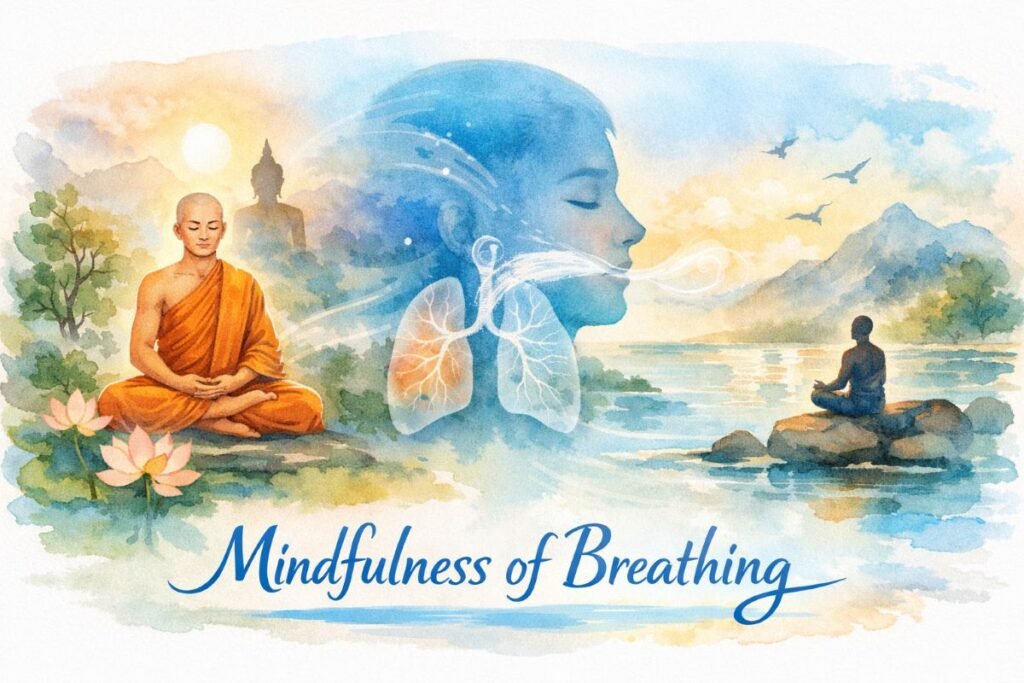
Learn the Buddha’s practice of mindfulness of breathing (Ānāpānasati), a complete path of mental training using the natural breath to calm the mind, understand experience, and free the heart from stress. This guide offers clear instructions on the traditional sixteen steps, practical applications for modern challenges, and a balanced look at scientific findings, all grounded in the early teachings.
Abhidhamma Explained Simply: A Guide to the Buddhist Psychology of Experience
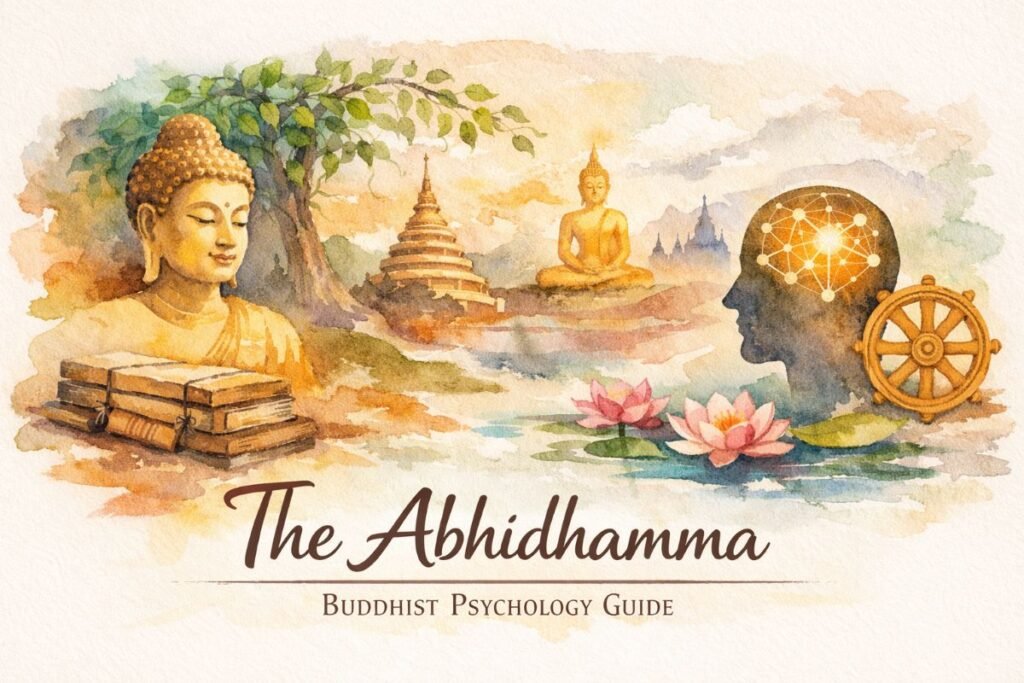
An introduction to the Abhidhamma, the Buddhist analysis of mind and matter, offering practical frameworks to understand emotions, reduce stress, and cultivate clarity in everyday life.
The Potential Within: Understanding Buddha‑Nature in Modern Life
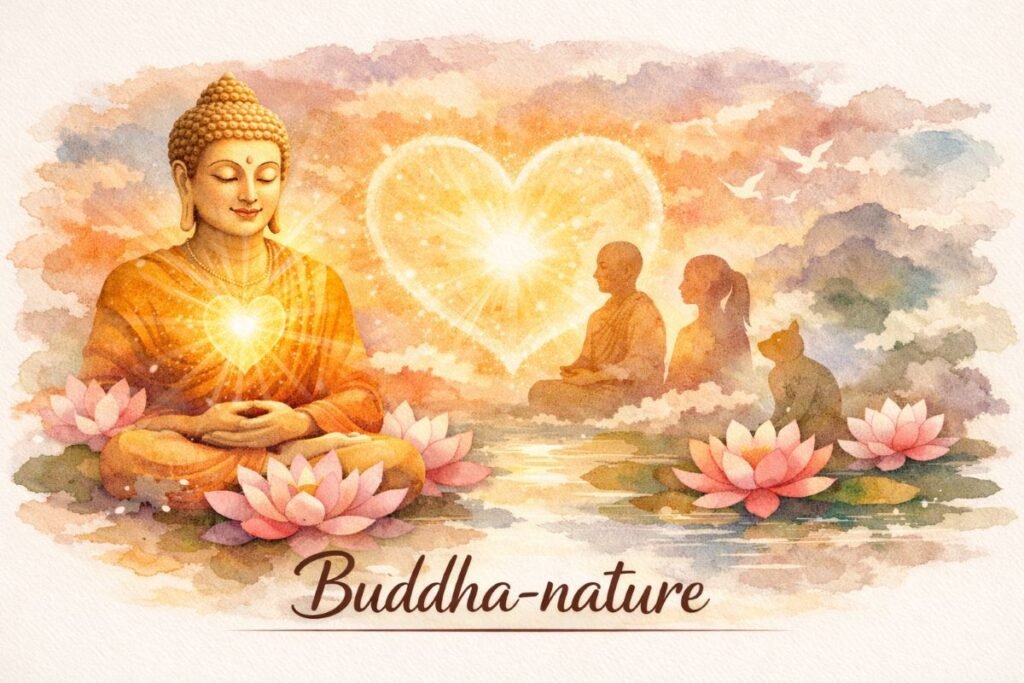
Rooted in the Tathāgatagarbha Sutras, the concept of Buddha-nature points to an innate potential for awakening present in all. Explore how this teaching can be applied to daily life, easing self-criticism, seeing beyond difficult behaviour, and cultivating genuine compassion.
Vesak: The Buddha’s Birth, Enlightenment, and Final Passing

Explore the significance of Vesak, the Buddhist festival commemorating the Buddha’s birth, enlightenment, and final passing. This guide offers a balanced overview of Vesak’s origins, spiritual meaning, observances, and regional expressions across Theravāda, Mahāyāna, and Vajrayāna traditions. It explores how the symbolism of flowers, candles, and the Bodhi tree carries practical lessons for daily life, and considers how the holiday’s wisdom on mindfulness, compassion, and ethical conduct can be applied to modern challenges. Written in clear, accessible language without exaggerated claims, this resource invites readers of all backgrounds to understand and appreciate the enduring relevance of Vesak and its teachings for peace and well-being. Published by Buddhist Learning.
Asalha Puja: The First Turning of the Wheel of Dhamma

Explore the origins, scriptural foundations, and enduring teachings of Asalha Puja, the day the Buddha first set the Wheel of Dhamma in motion. This guide unpacks the Four Noble Truths and Noble Eightfold Path, surveys how the occasion is observed across Theravāda, Mahāyāna, and Vajrayāna traditions, and offers grounded, practical ways to bring its wisdom into daily life.
Māgha Pūjā: The Day of the Fourfold Assembly and the Heart of the Dhamma
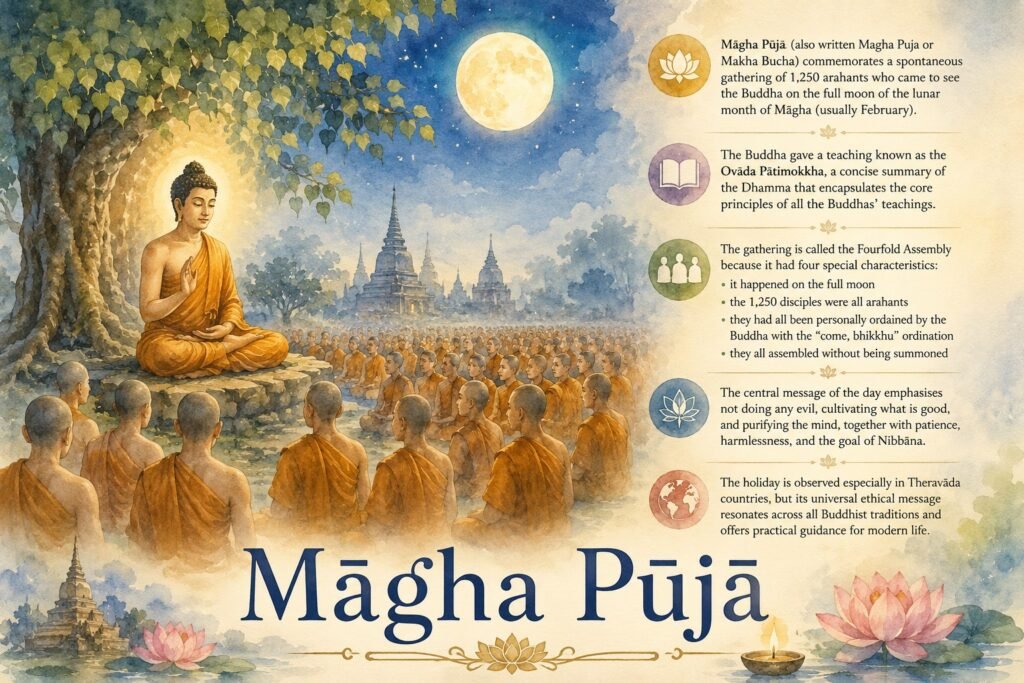
Māgha Pūjā, the full-moon observance of the Fourfold Assembly, recalls the spontaneous gathering of 1,250 arahants who received the Buddha’s Ovāda Pāṭimokkha, the concise teaching on avoiding evil, doing good, and purifying the mind. This guide traces the day’s origins, explores its message of patience and harmlessness, surveys how it is honoured across Buddhist traditions, and offers grounded ways to bring its wisdom into modern life.
Kathina – Robe Offering Ceremony
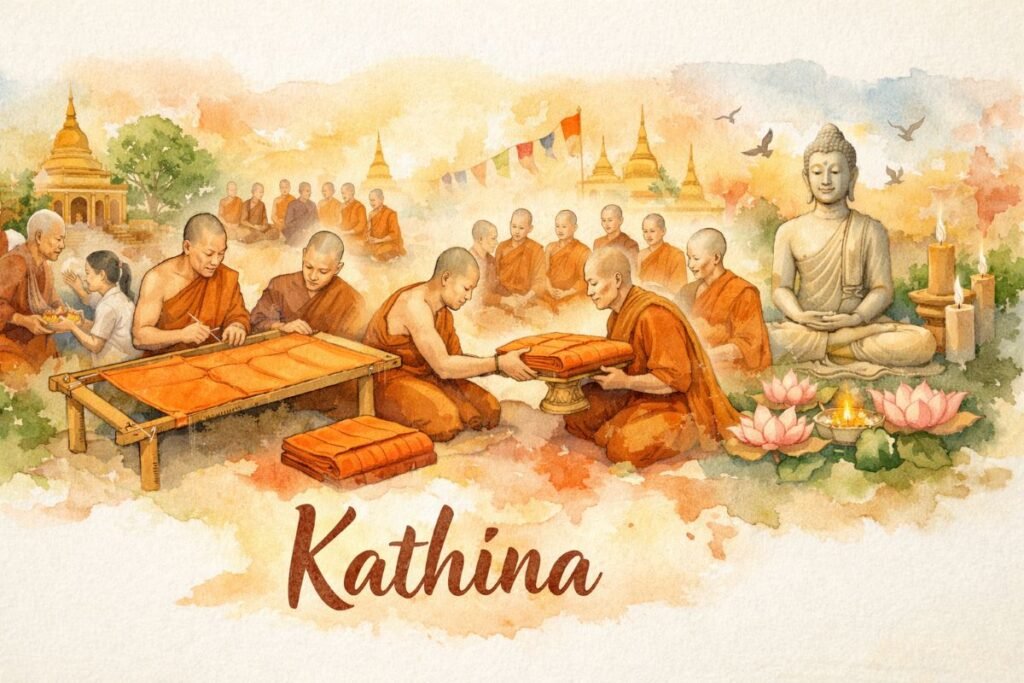
Understand the Kathina Buddhist ceremony: the scriptural origins, the communal offering of the robe, the five monastic privileges, and the ways this Theravāda festival of generosity and harmony is celebrated across Asia and the West—with practical lessons for daily life.
The Six Qualities of a Harmonious Saṅgha

Drawing from the Sāraṇīya Sutta, this guide explores the Six Qualities of a Harmonious Sangha (Sāraṇīyadhamma) – kindness in body, speech, and mind, sharing resources, ethical conduct, and shared vision. The article offers practical ways to apply these ancient principles to reduce conflict and build trust in families, workplaces, and communities.
Emptiness (Śūnyatā) in Buddhism: 108 Contemplations
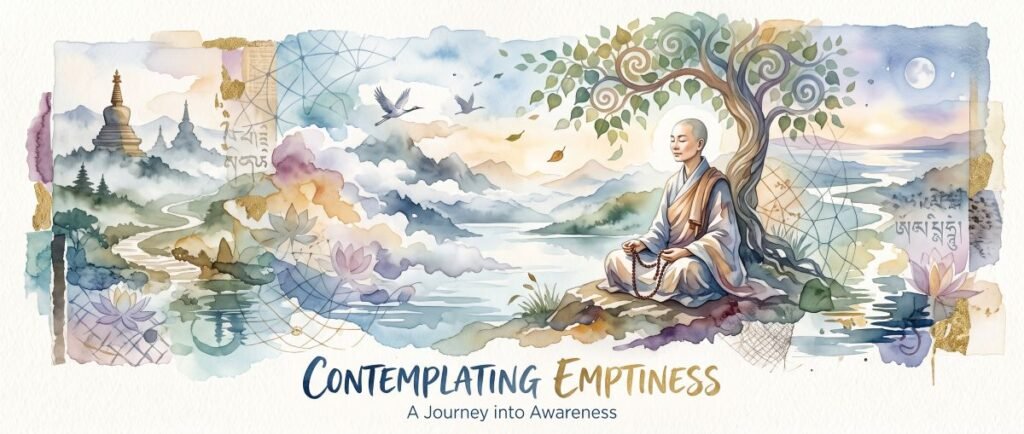
A collection of reflections on Suññatā (Śūnyatā) drawn from early Buddhist discourses and Nāgārjuna’s Madhyamaka. These contemplations trace emptiness through not-self, dependent origination, and the five aggregates, distinguishing it from nihilism while pointing toward the middle way, offered simply as a support for direct contemplation.
When Mindfulness Meets the Real World: Compassion, Community and Everyday Action
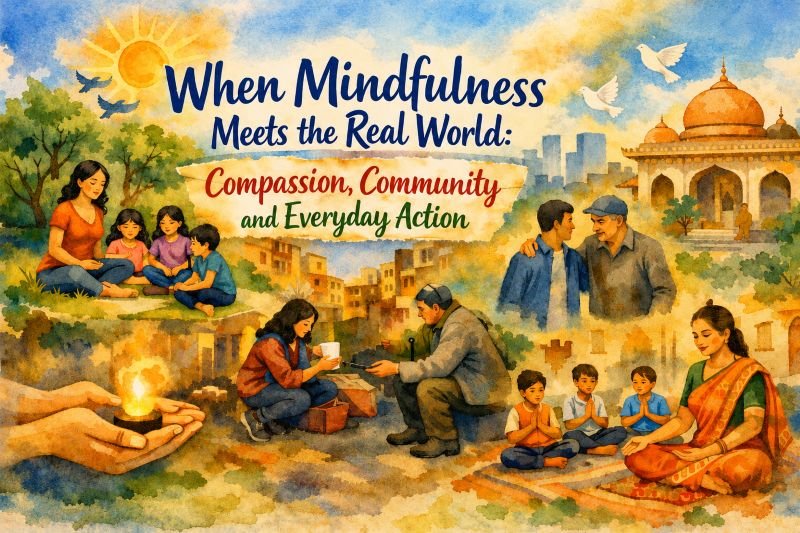
True mindfulness extends beyond silent contemplation, transforming quiet awareness into practical compassion for our shared communities. Exploring the intersection of emotional resilience and everyday action reveals how genuine service, demonstrated by community initiatives like Bright Mind, prioritizes human connection and empowerment over transactional problem-solving. Cultivating this grounded approach to community engagement allows us to meet vulnerable individuals exactly where they are, offering a steady, attentive presence that honors their dignity while maintaining the healthy boundaries necessary for sustainable, long-term support.
Winning, Losing, and the Buddhist Path: Victory and Defeat Across the Traditions
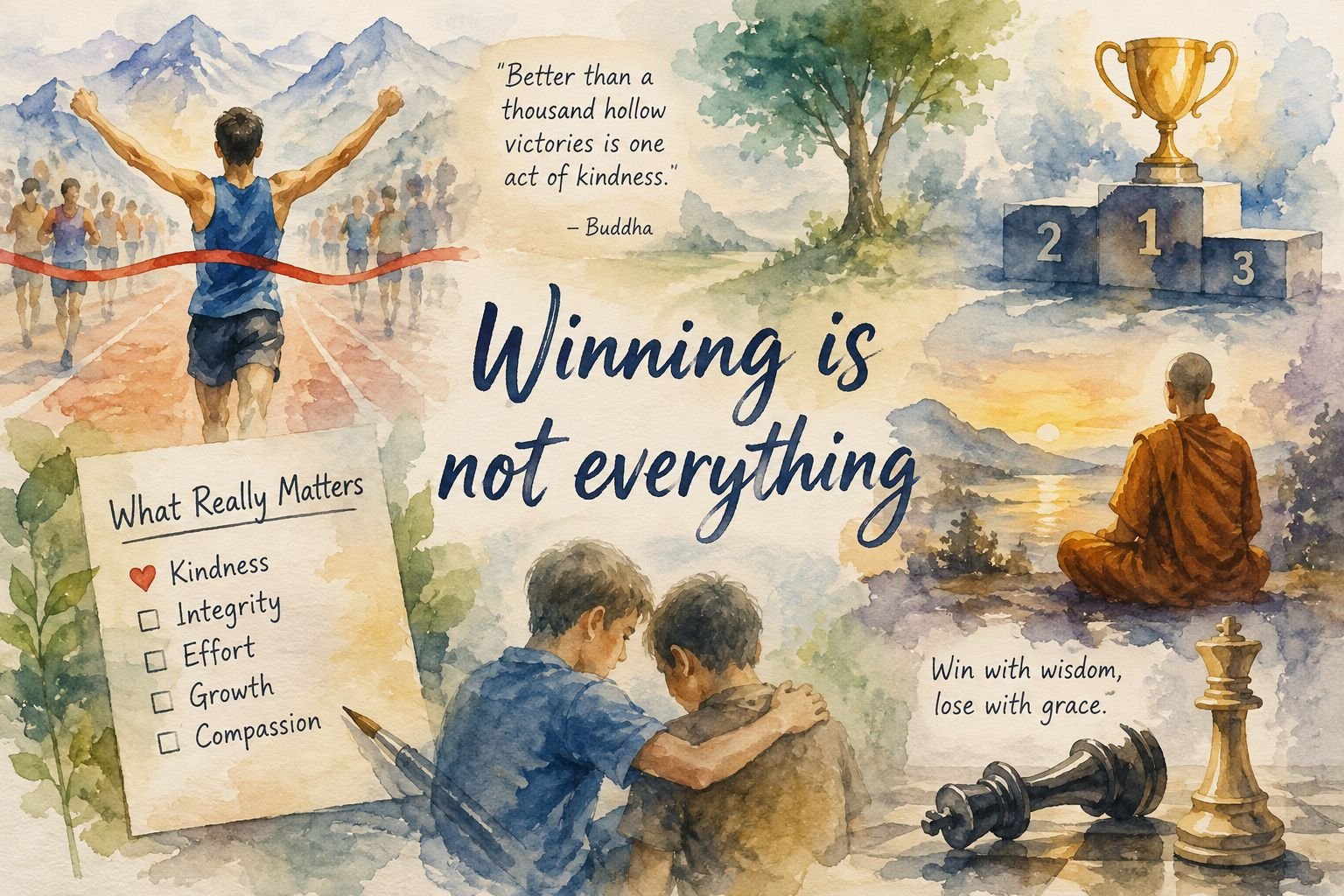
Winning and losing are examined through the lens of Buddhist ethics, intention, craving, equanimity, and non-attachment. Drawing on Theravāda, Mahāyāna, and Vajrayāna perspectives, this reflection considers how competition can become a source of greed, pride, envy, and suffering, while showing how effort, patience, ethical conduct, and freedom from attachment to outcomes can turn both victory and defeat into opportunities for practice.
Clinging in Buddhism: A Practical Guide to Working with Upādāna in Modern Life

Explore a practical approach to understanding and working with the Buddhist concept of clinging (upādāna) in the context of modern daily life. Drawing directly from early teachings and the Buddha’s imagery of a fire needing fuel, this guide examines how ordinary desires silently harden into the grasping that sustains suffering. By learning to recognize the four specific types of clinging — to sensual pleasures, dogmatic views, rigid rules, and fixed doctrines of self, you can uncover the roots of contemporary habits like digital compulsion and reactive outrage. Grounded in mindfulness and the principles of dependent origination, it offers accessible, reflective methods to help gently loosen the mind’s tight grip, fostering clarity, non-attachment, and genuine relinquishment without needing to retreat from the world.