Understanding Emptiness in Buddhism: A Guide for Modern Life
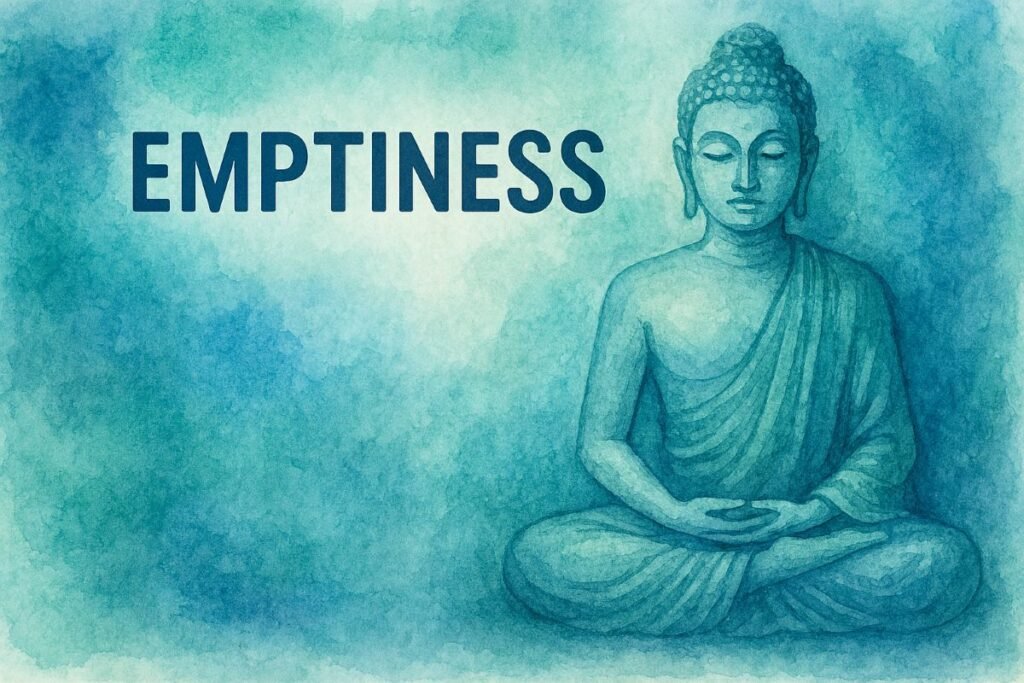
The Buddhist concept of Emptiness, or Śūnyatā, is the insight that all phenomena lack inherent, independent existence. It refers to the interdependent, conditioned nature of reality, where nothing exists in permanent isolation. This understanding is a practical tool for reducing suffering by loosening attachment to fixed ideas of self and world.
Understanding “No-Self”: A Practical Guide to Freedom in Daily Life
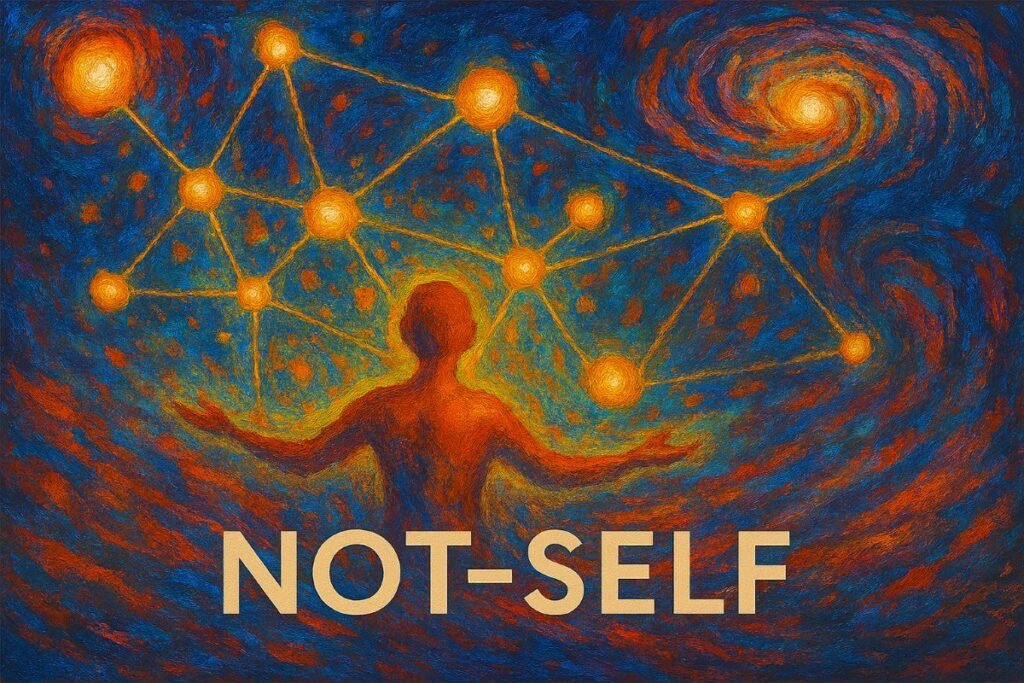
This article explores the Buddhist teaching of “no-self” (Anatta), a core insight into the fluid, interconnected nature of personal identity. It provides clear explanations of the concept, addresses common misunderstandings, and offers practical methods for integrating this understanding into daily life to reduce suffering and cultivate peace.
The Path of Practice: A Buddhist Guide to Beginning Daily Meditation
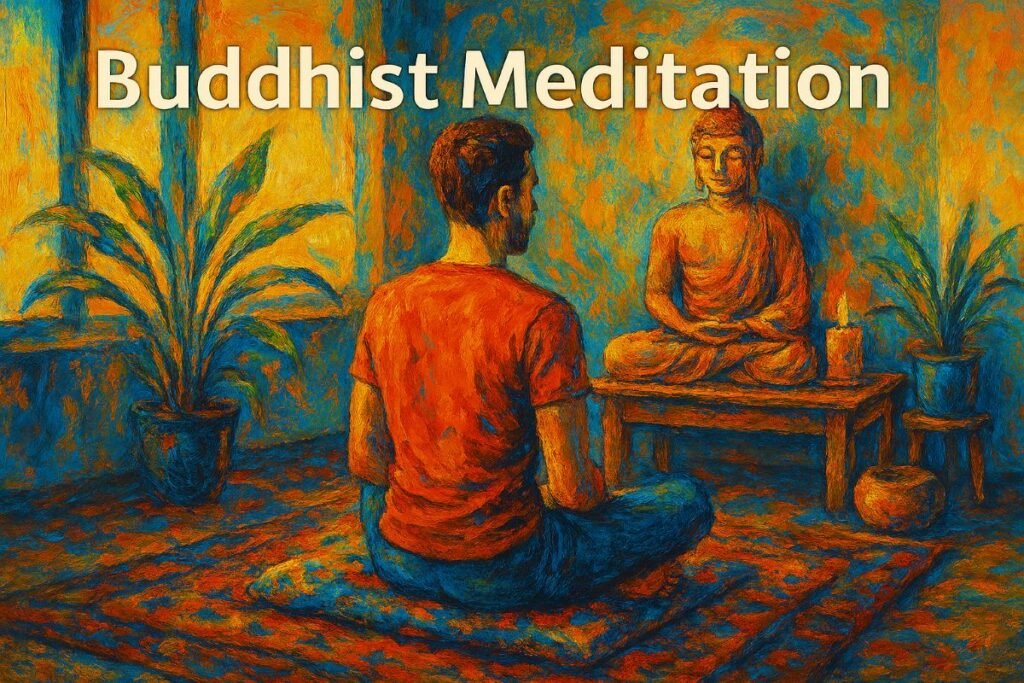
This guide provides clear, step-by-step instructions for starting a daily Buddhist meditation practice. It covers foundational techniques like mindfulness of breath, explains key concepts such as the Threefold Training and the Five Hindrances, and offers practical advice on posture, creating a space, and integrating mindfulness into daily life.
Buddhist Practice and Modern Medicine for Chronic Pain

Struggling with persistent pain? Discover the “Mindful Middle Way”—an evidence-based guide integrating modern neuroscience with Buddhist psychology to reduce suffering, manage central sensitization, and reclaim your quality of life.
Zen Buddhism: A Guide to Its History, Practice, and Meaning
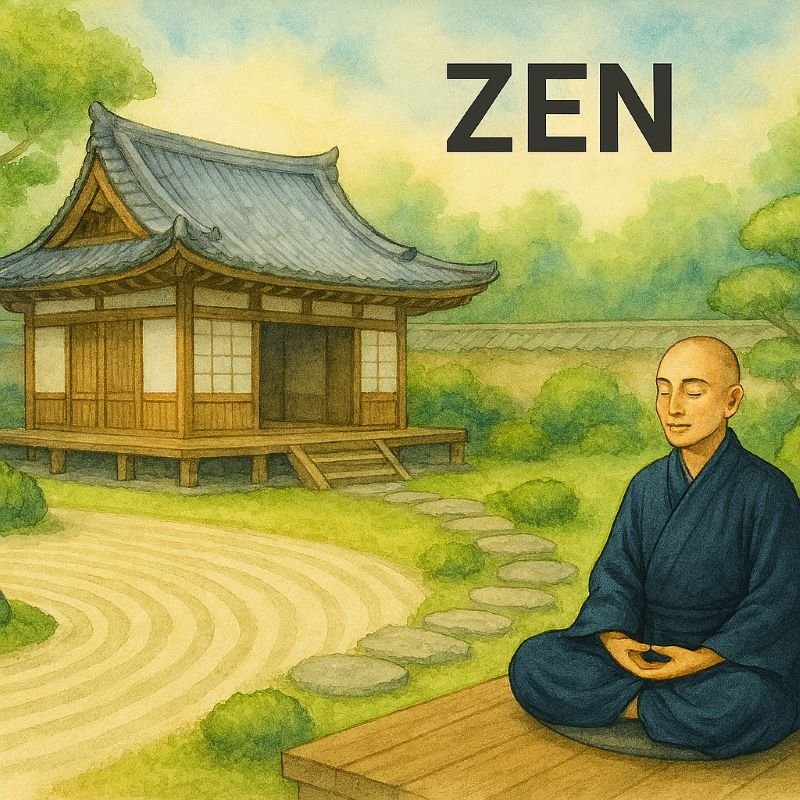
This guide provides an overview of Zen Buddhism, exploring its historical development from China to Japan, core philosophical principles, and central practices like Zazen meditation. It explains the distinct approaches of the Soto and Rinzai schools, and discusses how Zen’s teachings on mindfulness and awareness can be applied in daily modern life.
Zazen Meditation: A Guide to the Practice of “Just Sitting”
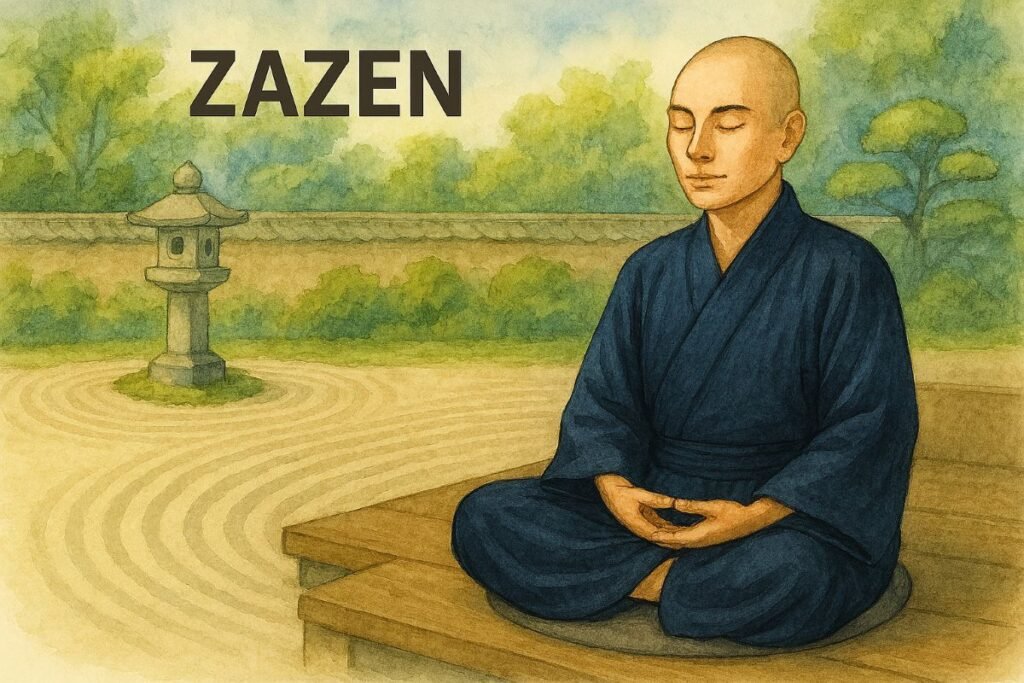
This guide offers clear, practical instructions for Zazen, the seated meditation practice of Zen Buddhism. It explains the tradition of “just sitting,” provides detailed posture and breathing guidance, and suggests ways to integrate mindful awareness into everyday activities.
Humanistic Buddhism – A Brief Introduction
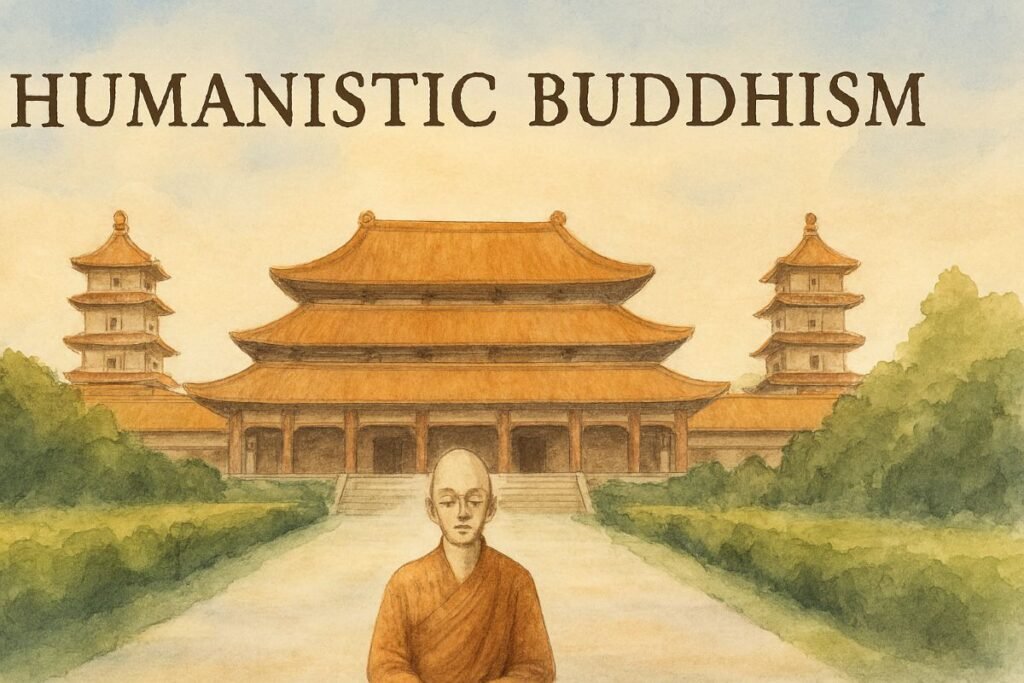
Humanistic Buddhism is a modern expression of the Buddhist tradition that emphasizes the practical application of spiritual teachings in everyday life and society. It focuses on integrating compassion, wisdom, and ethical conduct into daily activities, fostering personal well-being and contributing to social harmony. Rooted in the Mahayana Buddhist path of the bodhisattva, its goal is to address human needs and alleviate suffering in the present world.
Engaged Buddhism: The Path of Mindful Action for a Suffering World
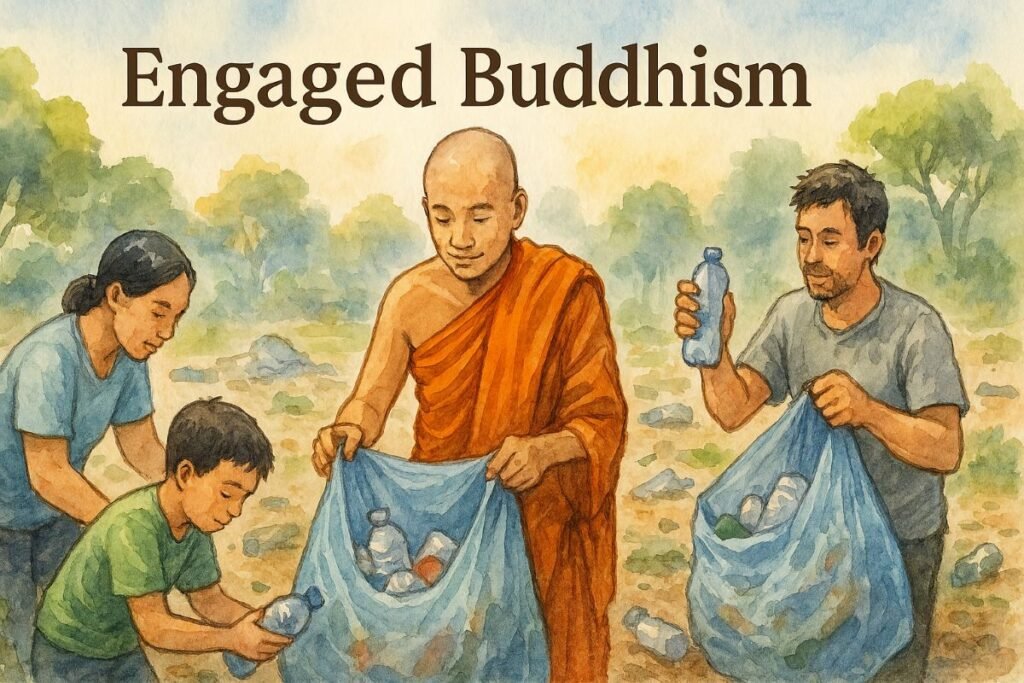
Explore Engaged Buddhism: what it is, its principles like the 14 Mindfulness Trainings, and how it applies Buddhist ethics to social justice, ecology, and peace. A practical guide.
Secular Buddhism: An Introduction
Secular Buddhism: its core principles, practices, and how it differs from traditional Buddhism. This guide covers the respectful debate, practical applications of the Four Noble Truths, and how to cultivate mindfulness and compassion in modern life.
Buddhist Perspectives on Aging, Dying, and Death
This article explores Buddhist perspectives on aging, dying, and death. It explains core concepts like impermanence and karma, and addresses how different traditions, from Theravada to Zen, approach life’s end. The guide offers practical applications for daily life, compassionate communication, and creating a supportive environment, providing a framework for understanding and meeting these natural transitions with clarity and calm.
Buddhist Loving-Kindness: Cultivation and Action (Metta Bhavana)

This article explores Metta Bhavana, or loving-kindness meditation, a core Buddhist practice for cultivating unconditional goodwill. It details the traditional five-stage contemplation, explains its place within the Four Divine Abodes (Brahmaviharas), and provides practical guidance for integrating this quality of heart into everyday speech and action.
Compassion (Karuṇā): The Heart’s Response to Suffering

An exploration of Karunā, or compassion, in Buddhist teaching. This article examines its definition as an active wish to relieve suffering, its role as one of the Four Divine Abodes, and common misunderstandings. It provides practical methods for cultivation, including meditation and daily life application, grounded in the principles of wisdom and equanimity.
Sympathetic Joy (Mudita): The Buddhist Practice of Finding Joy in the Happiness of Others

This article explores Sympathetic Joy (Mudita), the Buddhist practice of finding genuine happiness in the good fortune of others. It explains this heart quality as one of the Four Brahmaviharas, details its transformative role in countering envy and comparison, and provides practical guidance for cultivating it through meditation and daily life applications.
Equanimity: The Calm Heart in a Changing World

This article explores equanimity, or upekkha, a balanced mental state central to Buddhist practice. It explains this concept beyond common misunderstanding, details its role alongside loving-kindness and compassion, and provides practical guidance for cultivating calm resilience amidst life’s inevitable changes and challenges.