Life Is Short, the Future Unknown: Why Practice Buddhism?

Why practice Buddhism when life is short and the future unknown? The Buddha’s teaching on impermanence, heedfulness, and the path to liberation offers a practical response. Explore the three characteristics, kamma and rebirth, and how Theravāda and Mahāyāna traditions bring these insights into everyday life.
Judgement, Non-Judgement, and Discernment in Buddhism: A Practical Guide for Modern Life
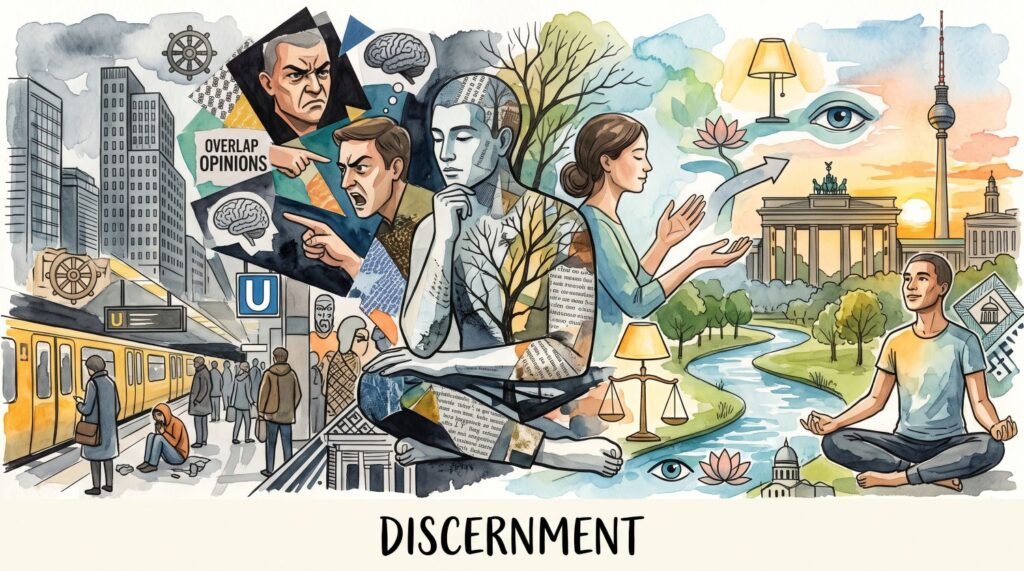
Buddhism distinguishes between reactive judgement, rooted in aversion and ego, and discernment, the clear evaluation of what leads to harm or benefit. Drawing on early Buddhist teachings and the Theravāda and Mahāyāna traditions, this guide explores how to assess moral questions, work with the judgemental mind, and respond with both clarity and compassion. It offers a practical path that does not abandon evaluation but learns to see without closing the heart
Beginning Anew: A Plum Village Buddhist Practice for Healing and Harmony
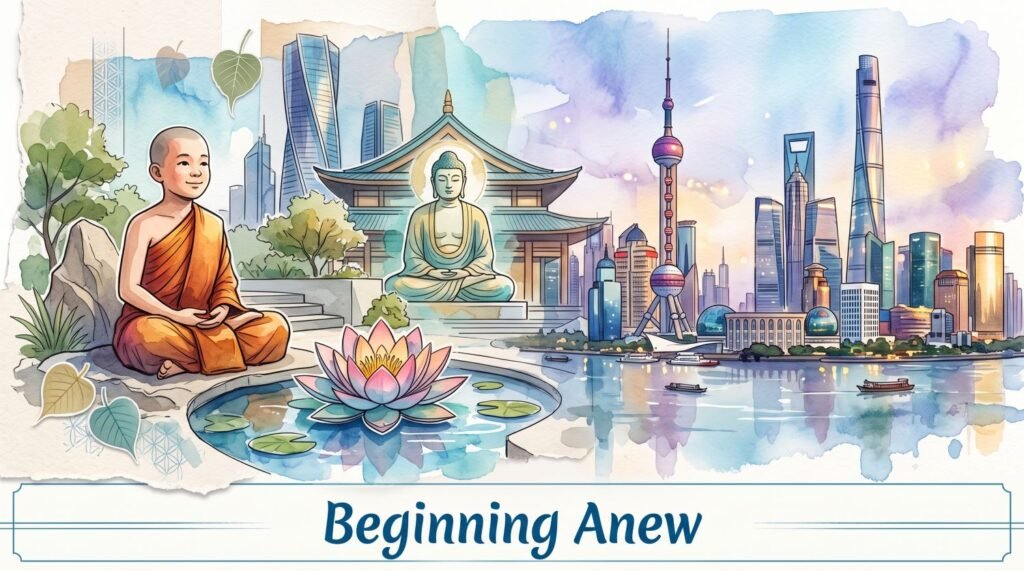
Beginning Anew is a four-step Plum Village Buddhist practice for restoring communication and healing relationships. Rooted in mindfulness, loving speech, and compassionate listening, it offers a structured way to address conflict while it is still small. The practice draws on early Buddhist teachings on Right Effort, Right Speech, and the four brahmaviharas, while remaining a modern development within the tradition established by Thich Nhat Hanh. This guide examines its origins, the psychological dynamics of perception and conflict, and how the four steps can be applied in families, workplaces, and communities.
Buddhism: Loving Someone Without Trying to Control Them
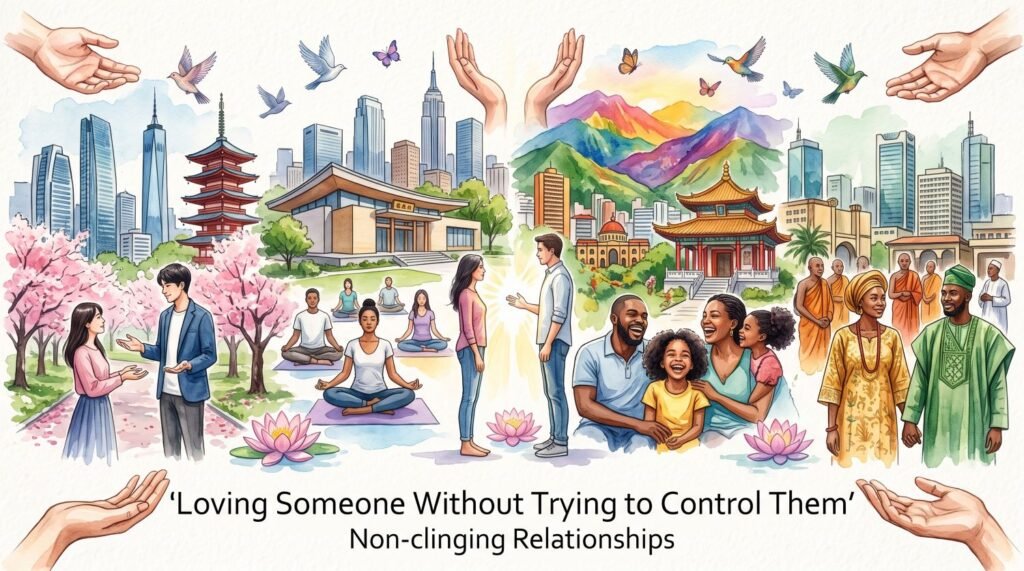
Buddhist teachings show how attachment (upādāna) and craving (taṇhā) fuel the desire to control those we love. This guide offers practical methods for cultivating loving-kindness (mettā), compassion (karuṇā), and equanimity (upekkhā) in daily relationships, while making clear that Buddhism does not ask anyone to endure abuse. Drawing on early texts and modern life, it points toward a love that respects freedom and supports liberation.
Buddhism and Retirement: Learning to Let Go of a Role
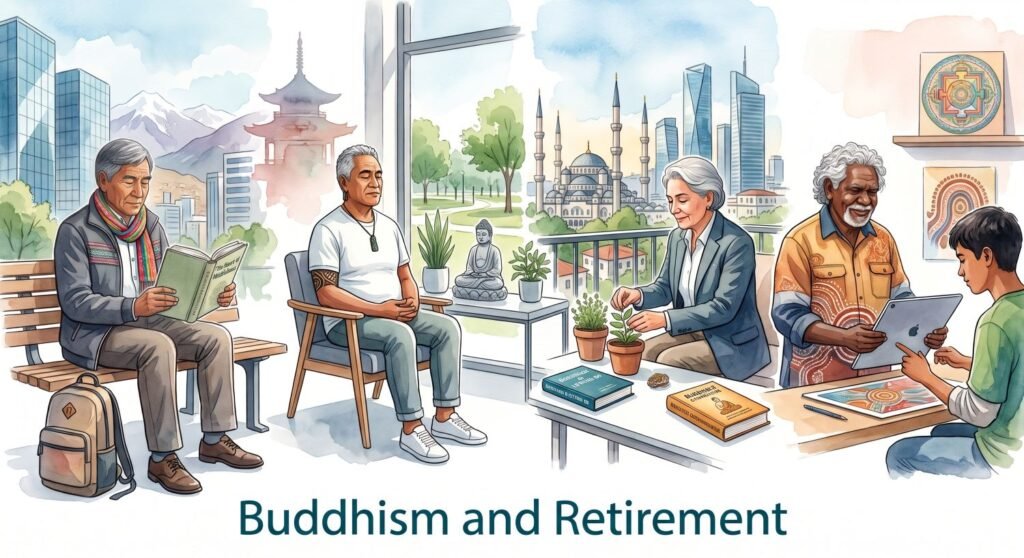
Leaving a long-held professional role often brings an unexpected sense of loss, as the routines, titles, and sense of purpose that shaped daily life fall away. Buddhist teachings on non-self, impermanence, and letting go offer a grounded way to understand this transition, not as an ending, but as an opportunity to examine what we cling to and why. Drawing on early Buddhist discourses and practical exercises, the article explores how mindfulness, reflection, and spiritual friendship can support retirees in meeting this life stage with clarity and balance, without needing to replace one identity with another.
Wanting More: When Healthy Aspiration Becomes Craving

Buddhist teachings distinguish craving (taṇhā) from wholesome aspiration (chanda). Explore how to recognise when healthy wanting becomes harmful, and how contentment (santuṭṭhi) and mindfulness can guide a balanced approach to ambition, money, relationships and everyday life.
Buddhism and the Search for Authenticity

Buddhist teachings offer a distinct perspective on the modern search for authenticity. Rather than seeking a “true self,” early Buddhist texts examine not-self (anattā), craving, and ethical conduct. The article explores what the Pali Canon says about identity and liberation, distinguishing canonical teachings from contemporary applications, and considers how mindfulness and letting go of clinging can inform daily life, while noting that the goal of practice is not authenticity but the end of suffering.
The Seven Stages of Purification: A Theravāda Framework for Mental Cultivation

The Seven Stages of Purification [Satta Visuddhi], named in the Rathavinīta Sutta (MN 24) and developed by Buddhaghosa in the Visuddhimagga, outline the Theravāda path from ethical conduct through concentration to liberating insight. This exploration examines each stage, distinguishes early Buddhist texts from later commentarial systematisation, and shows how the framework maps onto the three trainings of virtue, concentration, and wisdom. It is a soteriological map toward Nibbāna, not a psychological development ladder, though aspects of the training can inform contemporary practice.
Supporting a Loved One Through the End of Life – A Buddhist Framework

Explore Buddhist wisdom for supporting a loved one through death and dying. Drawing on teachings about impermanence, compassion, and equanimity, this guide offers practical ways to bring presence, comfort, and balance to caregiving and grief, helping families navigate loss with clarity and an open heart.
Understanding Impermanence: The Buddhist Path to Ending Suffering
Impermanence is the Buddhist teaching that all conditioned phenomena arise, change, and cease. Understanding this truth can weaken clinging to things that cannot last, reduce craving, and support the end of suffering. The article explores how this teaching applies to daily life, the relationship between impermanence and suffering, the importance of direct experience over intellectual understanding, and how both Theravāda and Mahāyāna traditions approach this central insight.
The Wisdom of Not Knowing: A Buddhist Guide to Embracing Uncertainty
Uncertainty can feel unsettling, but Buddhist wisdom offers a grounded way to meet it. Through teachings on impermanence, mindfulness, and compassion, it becomes possible to release the need to know everything and find a steadier presence in the middle of not knowing.
The Need to Escape: Understanding the Buddhist Roots of Distraction
Distraction is often treated as a modern problem, yet the tendency to move away from discomfort is far older than any screen. The Buddhist roots of distraction lie in craving, restlessness and the unsatisfactoriness bound up with wanting things to be other than they are. Examining these patterns offers a practical way to understand why attention scatters and how it might be steadied. Drawing on mindfulness and concentration as they are understood across Buddhist traditions, this piece looks at how these teachings can be applied to work, relationships, technology and difficult emotions, without promising quick fixes or claiming more than the tradition itself does.