Theravāda Buddhism: A Short Doctrinal, Historical, and Practical Exposition
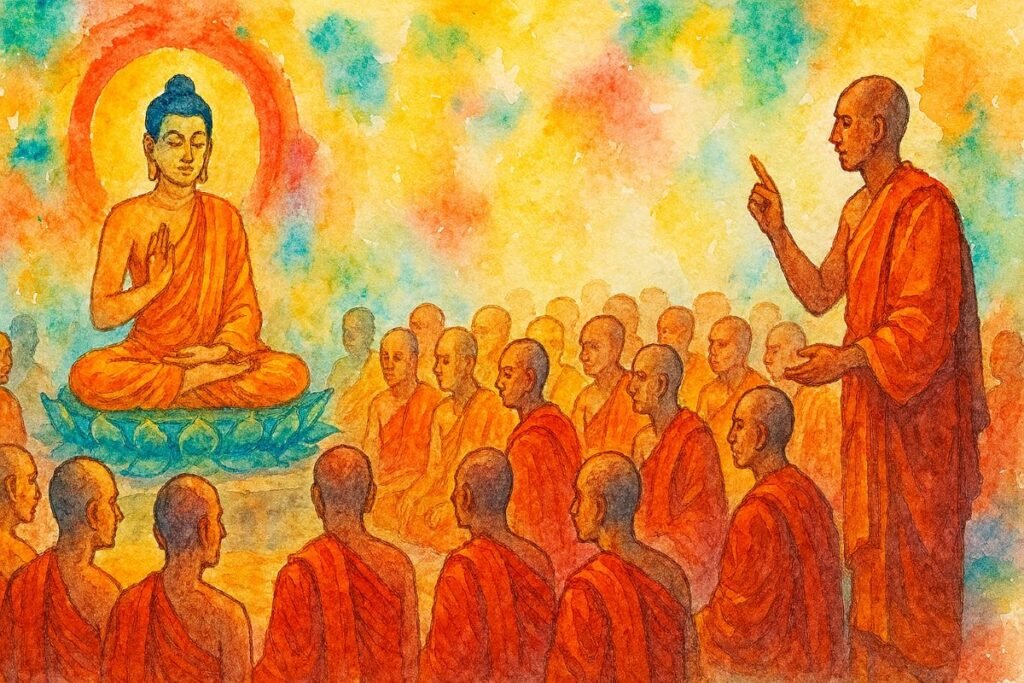
A path of practice rooted in the earliest teachings of the Buddha, preserved in the Pali Canon. Theravāda offers a systematic approach to understanding suffering (dukkha) and its cessation through the Four Noble Truths and the Noble Eightfold Path. This tradition emphasizes mindfulness, ethical conduct, and the development of wisdom, guiding practitioners toward liberation (Nibbāna). Explore the teachings, the monastic discipline, and the meditative practices that have sustained this lineage for centuries. May you find clarity and peace in your exploration.
The Threefold Training: A Complete Path for Modern Awakening
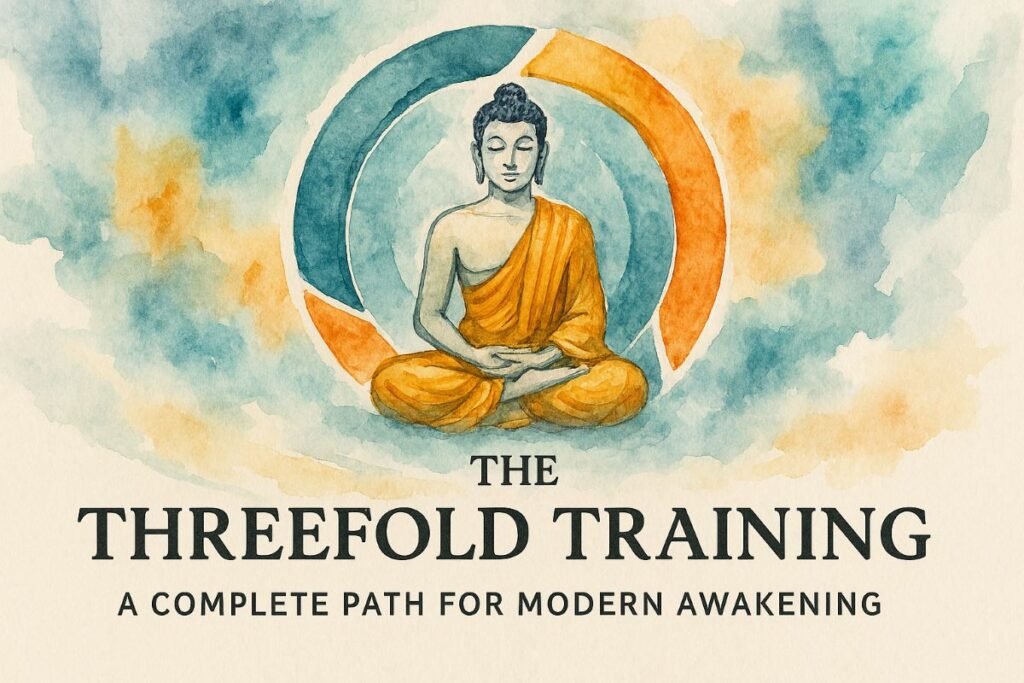
This guide explores the Threefold Training—a foundational Buddhist path of ethical conduct (Śīla), meditative concentration (Samādhi), and wisdom (Prajñā). It offers a practical look at this integrated framework, providing scriptural references, contemporary applications, and ways to cultivate these trainings in daily life.
How to Cultivate Joy, Happiness, and Contentment Daily Through Buddhism: A Short Guide
An exploration of the Buddhist teachings on pīti (joy), sukha (happiness), and santutthi (contentment). This guide offers practical reflections and daily practices to understand and cultivate these qualities through ethical living, mindfulness, and wisdom, supporting a peaceful and resilient heart.
Walking Meditation: The Practice of Mindful Movement
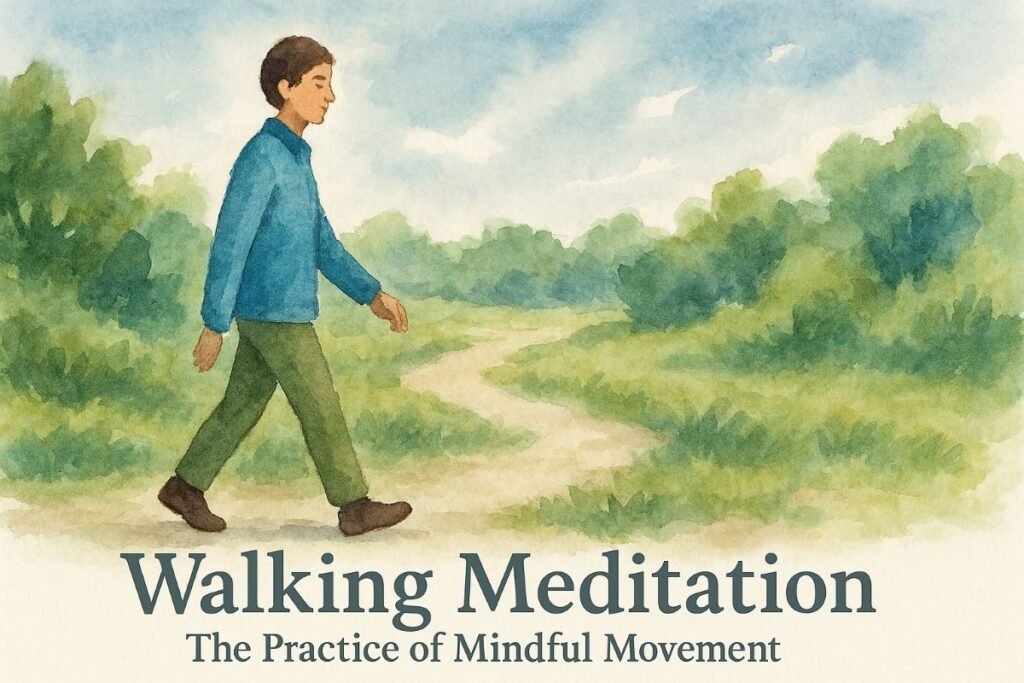
Walking meditation is a foundational practice in many Buddhist traditions, where the simple act of walking becomes a sustained focus for mindfulness. This guide explores its forms, such as caṅkama in the Thai Forest Tradition and kinhin in Zen, offering practical methods to cultivate present-moment awareness, insight into impermanence, and a pathway to integrate mindful presence into daily movement.
Shamatha and Vipassanā: The Two Wings of Buddhist Meditation for Modern Life
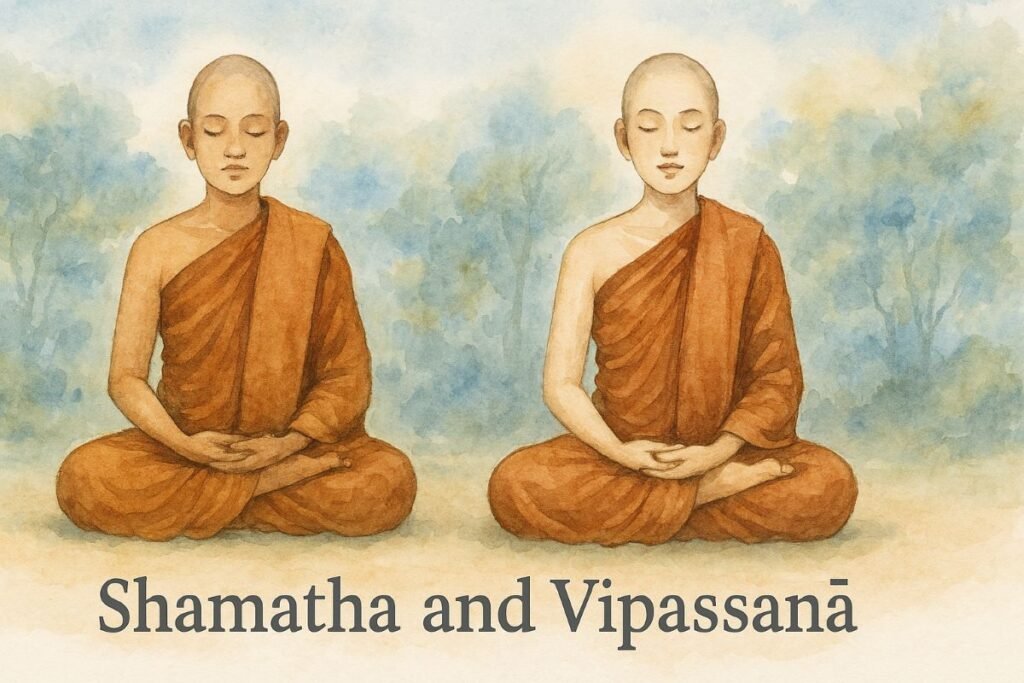
This guide explores the foundational Buddhist practices of Shamatha (calm abiding) and Vipassanā (insight), examining their distinct roles and essential synergy on the path. It offers clear explanations of these meditative disciplines, their grounding in early teachings, and practical guidance for integrating this calming and insightful wisdom into daily life.
How to Cultivate Gratitude Through Buddhist Teachings: A Practical Guide for Modern Life

At first glance, gratitude seems simple, a word of thanks, a moment of recognition. Yet in Buddhist teaching, this ordinary act opens onto something far deeper. The Pali word kataññutā means knowing what has been done for us: the kindness of others, the support of the earth, the conditions that allow each moment to unfold. This knowing is not merely feeling thankful but learning to see clearly the web of interdependence that holds our lives. When cultivated sincerely, gratitude becomes a quiet practice, one that softens the habit of wanting, reveals what is already present, and gently inclines the heart toward generosity. This article explores gratitude not as an achievement but as a way of seeing, available to anyone, anytime.
The Heart of Patience: A Buddhist Guide to Cultivating Khanti in Modern Life

Patience is often misunderstood as passive waiting or gritting your teeth. In the Buddha’s teaching, it is something far more active: a strength of mind that allows us to remain steady, kind, and clear when everything in us wants to react. This article explores what patience really means in Buddhism (khanti in Pali), the three dimensions of its practice, and simple ways to cultivate it in daily life, not as a distant ideal, but as something accessible to anyone, starting exactly where they are.
Non-Attachment: Finding Freedom in Letting Go

Many people assume that non-attachment means becoming cold, distant, or indifferent to life. This article offers a different understanding. Drawing on the Buddha’s teachings, it explores non-attachment as the art of engaging fully with the world while releasing the need to possess or control. Through practical examples and clear explanations, it invites readers to consider what it might mean to love without clinging, to work without obsessing, and to live without fear, and to discover the peace that comes from holding life with an open hand. Whether you are new to Buddhist ideas or have been practicing for years, this exploration offers wisdom and practical guidance for bringing greater freedom into daily life.
How Buddhist Wisdom Can Help Overcome Consumerism

Many of us sense that the endless pursuit of more does not lead to lasting happiness, yet we find ourselves caught in the relentless cycle of consumerism. Buddhist wisdom offers a different way forward, not by demanding we abandon material things, but by helping us transform our relationship with them. This article explores how the Buddha’s teachings on craving, contentment, mindfulness, and the middle way can be applied to modern life. Through practical examples and gentle guidance, we discover that genuine well-being arises not from acquiring more, but from cultivating peace with what we already have.
Mindful Communication for Healthier Relationships: Work, Family, Friends, and Others

Transform your relationships with Mindful Communication. Discover how Buddhist Right Speech, deep listening, and conscious intent can reduce conflict and build trust.
How Buddhism Supports Emotional Resilience
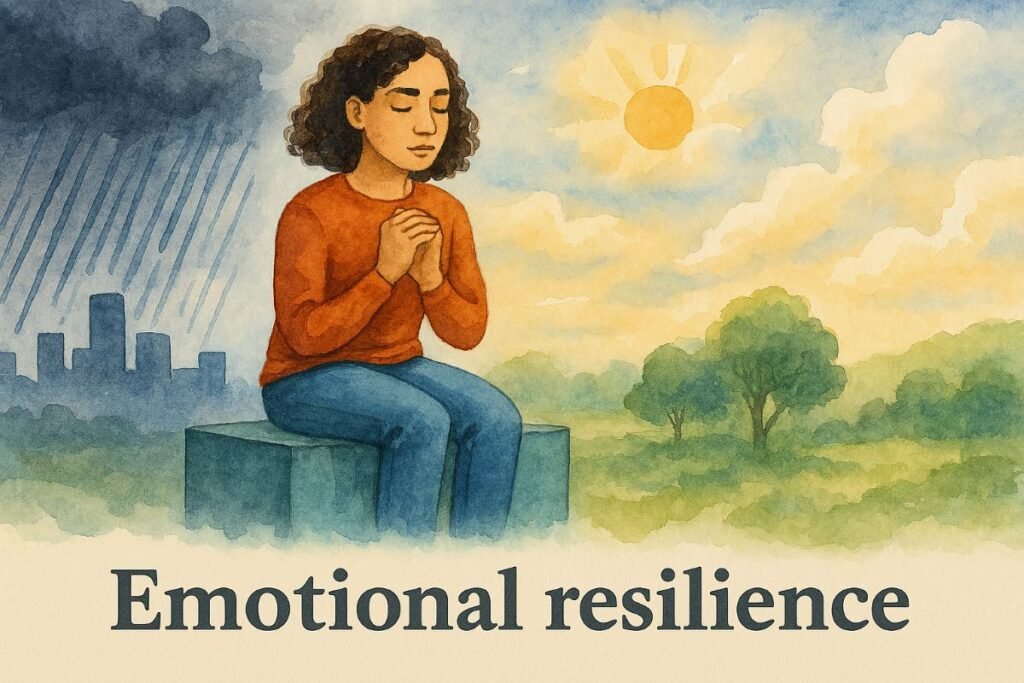
Discover how Buddhism offers a practical and accessible path to emotional resilience. This article explores core teachings like mindfulness, compassion, and patience, showing how they can help us meet life’s challenges with greater balance and clarity. Through clear explanations and everyday examples, we learn that resilience is not about suppressing emotions or becoming indifferent, but about cultivating a heart and mind that can bend without breaking. Whether you are new to Buddhism or deepening your practice, these timeless principles provide gentle, actionable guidance for navigating stress, loss, and difficulty with wisdom and steadiness.
Buddhist Teachings on Forgiveness and Reconciliation

Forgiveness is one of the most misunderstood practices in Buddhism, often confused with condoning harm, forgetting the past, or requiring reconciliation with those who have hurt us. This article explores what the Buddha actually taught: that forgiveness is primarily an internal act of releasing resentment, a gift we give ourselves rather than others. Drawing on teachings from the Pali Canon, the Mahāyāna tradition, and practical techniques including loving-kindness meditation (mettā bhāvanā) and mindfulness, it covers forgiveness in personal relationships, family conflict, the workplace, and large-scale social healing. Whether you are carrying a longstanding grievance or simply looking to understand how Buddhist practice approaches anger and reconciliation, this guide offers clear, grounded, and accessible support for the path.