Key Takeaways
- Aging, sickness, and death are not failures or mistakes, but natural, inevitable processes understood in Buddhism as powerful teachers.
- The core Buddhist principle of impermanence (anicca) is the key to understanding and finding peace with these life stages.
- Buddhist teachings on this subject are not morbid, but a practical, compassionate framework for reducing fear and suffering.
- Different traditions, like Theravada and Mahayana, offer complementary approaches, from mindful insight to compassionate ritual.
- Preparing for death is considered an essential part of living well, influencing both the quality of our current life and our spiritual trajectory.
- The state of mind at the moment of death is considered uniquely influential, making a calm, supportive environment a spiritual necessity.
- Rebirth is understood as a continuous process without a permanent soul, like one candle lighting another.
- Practical applications are vast, including daily mindfulness, ethical living, specific contemplations, and compassionate care for the dying.
1. Introduction
Aging, dying, and death are universal human experiences, yet they are often met with fear, denial, and confusion in modern life. Buddhism offers a unique and profoundly practical lens through which to view these inevitable truths. Rather than seeing them as enemies to be defeated or topics to be avoided, Buddhist teachings invite us to understand them deeply, to make peace with them, and to use our awareness of them to live with greater wisdom, compassion, and freedom right now.
This article explores the Buddhist perspective on the journey from aging through to death. It is designed to be a clear, respectful, and accessible guide. We will explain foundational concepts, dispel common misunderstandings, and provide tangible practices you can incorporate into daily life. Whether you are seeking solace, understanding for supporting a loved one, or simply a wiser way to live, these timeless teachings offer a path from anxiety to acceptance, and from confusion to clarity.
2. The Foundation: Impermanence (Anicca)
To understand the Buddhist view on aging and death, you must first understand the principle of impermanence [Pali: anicca].
2.1 What is Impermanence?
Impermanence is the fundamental truth that all conditioned things, everything that arises based on causes and conditions, are in a constant state of flux, change, and eventual cessation. This includes the physical world, our thoughts, our feelings, our relationships, and our very own bodies and minds. Nothing made of parts lasts forever in a static state.
2.2 Aging and Death as the Prime Examples of Impermanence
Our own life cycle is the most personal and powerful demonstration of impermanence. From the moment we are born, we are aging. Our childhood fades, our youthful strength peaks and declines, and our bodies and minds continuously change. Death is the ultimate and undeniable affirmation of this process. The Buddha taught that to clearly see and accept this truth is not pessimistic, but the beginning of genuine freedom. Fighting this reality is the source of much of our deepest suffering.
2.3 The Analogy of the Seasons
Think of a single leaf in spring: it is a fresh, green bud. In summer, it is a full, vibrant leaf. In autumn, it changes color and begins to dry. In winter, it falls from the branch and decomposes, nourishing the soil for new growth. The leaf is not “wrong” for changing; it is simply following the natural, impermanent order of things. Our lives follow a similar seasonal pattern. Recognizing this can shift our perspective from one of resistance to one of alignment with nature’s rhythm.
3. Core Buddhist Concepts for Understanding Life’s End
Several key ideas form the framework for the Buddhist approach to aging and death.
3.1 The Three Marks of Existence
The Buddha said that all conditioned existence is characterized by three marks:
- Impermanence (Anicca): As described above.
- Suffering or Unsatisfactoriness (Dukkha): Because things are impermanent and we cling to them, we experience dukkha, a sense that things are unreliable, not quite fulfilling, or outright painful. The aging body that cannot do what it once could, the illness that brings pain, the loss of a loved one, all are experiences of dukkha.
- Non-Self (Anatta): This is the teaching that there is no fixed, permanent, independent “soul” or “self” within us. What we call “me” is a constantly changing collection of physical and mental processes (body, feelings, perceptions, thoughts, and consciousness). Understanding anatta helps loosen our fearful clinging to this particular life and body as “me” and “mine.”
3.2 Karma and the Process of Rebirth
These are often misunderstood concepts essential to the Buddhist view of death.
- Karma [Pali: Kamma]: Karma literally means “action.” It is the universal law of cause and effect applied to intentional acts of body, speech, and mind. Wholesome, compassionate actions (like generosity, kindness, honesty) tend to create positive future results. Unwholesome, harmful actions (like cruelty, stealing, lying) tend to create negative future results. Karma is not fate or punishment; it is a dynamic process where our choices shape our habits, character, and experiences.
- Rebirth, Not Reincarnation: A crucial distinction. Buddhism teaches rebirth, not reincarnation. Reincarnation implies a permanent soul or self that leaves one body and enters another. Because of the teaching of anatta (non-self), Buddhism rejects this. Instead, rebirth is understood as a continuing process, a stream of consciousness fueled by karma and craving. A common analogy is a flame passed from one candle to another. The flame on the second candle is neither entirely the same nor entirely different from the first flame. It is a continuum dependent on the first, but with a new form. Similarly, the momentum of our karmic habits and mental conditioning continues after death, giving rise to a new birth. There is no “soul” that travels, but a causal continuity of karmic energy and consciousness.
3.3 The Critical Role of the Mind at Death
In many Buddhist traditions, particularly Theravada and Tibetan, the final moments of life are considered to have a disproportionate influence on the immediate trajectory of rebirth. The last thought-moments (citta) are seen as powerful carriers of karmic momentum. A mind filled with fear, anger, or desperate attachment can propel the stream of consciousness toward a difficult rebirth. A mind that is calm, clear, and oriented toward wholesome qualities (like faith, compassion, or wisdom) can support a favorable transition.
This is not a punishment or reward, but a natural law of mental causality. It’s why creating a peaceful environment for the dying is not merely about physical comfort; it is a direct form of spiritual support aimed at helping the individual maintain the best possible state of mind for this critical transition.
3.4 The Five Remembrances
The Buddha advised regularly reflecting on these five facts:
- I am subject to aging. I cannot avoid aging.
- I am subject to illness. I cannot avoid illness.
- I am subject to death. I cannot avoid death.
- Everyone and everything I love will change and be separated from me.
- My only true possession is my actions (karma). I am the heir to my actions.
This practice, far from being depressing, is designed to ground us in reality, prioritize what is truly important (ethical conduct and spiritual growth), and shed trivial concerns.
4. Perspectives and Practices from Major Buddhist Traditions
While all Buddhist schools agree on the core principles above, they offer different emphases, practices, and cultural expressions.
4.1 Theravada Buddhism: Insight and Mindful Acceptance
Theravada, the “Teaching of the Elders,” focuses on the original Pali scriptures. Its approach is direct and psychological.
- Emphasis: Developing deep, personal insight (vipassanā) into impermanence, suffering, and non-self through mindfulness meditation.
- Practice on Death: Mindfulness of Death (Maraṇasati) is a core meditation. Practitioners contemplate the certainty and unpredictability of death to instill a sense of spiritual urgency, cut through attachment, and prepare the mind for the final moment.
- Goal: To achieve liberation (Nibbāna) for oneself, breaking free from the cycle of rebirth by eradicating ignorance and craving.
4.2 Mahayana Buddhism: Compassion and Diverse Paths
Mahayana, the “Great Vehicle,” emphasizes universal liberation and compassion. Within it, diverse schools have developed unique practices related to death.
- The Bodhisattva Ideal: The path of the Bodhisattva, a being who vows to attain enlightenment for the benefit of all sentient beings. Compassion (karuṇā) is the driving force. Death is viewed within the context of this vast compassionate mission.
- Zen Buddhism: Emphasizes dying (and living) with a clear, present, and fearless mind, a final expression of one’s practice. A profound cultural practice is the writing of a Death Poem (Jisei). This is a poem composed by a monk or practitioner on their deathbed, often capturing a final, insightful glimpse into the nature of reality and impermanence. It is an act of mindful awareness and artistic expression at the threshold of death.
- Pure Land Buddhism: Focuses on faith in and devotion to Amitabha (Amida) Buddha, who presides over a “Pure Land,” a blissful realm conducive to enlightenment. The primary practice is the mindful recitation of Amitabha’s name (nembutsu in Japanese, nianfo in Chinese). The goal is to maintain this recollection with unwavering faith, especially at the moment of death, to be reborn in the Pure Land and continue the spiritual journey there. This tradition places immense importance on the last thought-moment being one of devotion to Amitabha.
4.3 Tibetan Buddhism: Detailed Maps and Ritual Assistance
Tibetan Buddhism provides the most detailed guide to the dying process and the state after death.
- Key Text: The Bardo Thödol, often called the “Tibetan Book of the Dead.” Bardo means “intermediate state.”
- The Process: It describes three main bardos related to death:
- The Bardo of Dying: The process from the start of death until the moment consciousness separates from the body.
- The Bardo of Dharmata: The immediate after-death experience of clear light and luminous visions, representing the nature of reality itself.
- The Bardo of Becoming: A dream-like state leading to the next rebirth.
- Practice: Lamas and practitioners read specific instructions from the text to the dying and recently deceased to guide them through these states, helping them recognize the nature of their experience and avoid being drawn into an unfavorable rebirth. This is the ultimate expression of creating a supportive spiritual environment for the dying mind.
5. A Practical Guide: Buddhist Wisdom for Living and Dying Well
This section translates Buddhist principles into concrete actions for your own life and for supporting others. It is organized around the virtues of wisdom (paññā), ethical conduct (sīla), and compassionate care.
5.1 For Your Own Path: Cultivating Wisdom and Preparedness
- Daily Mindfulness Practice: Dedicate time each day to sit quietly, following the breath. When thoughts of aging, loss, or fear arise, note them with a simple label like “thinking” or “fear,” and gently return to the breath. This builds the mental muscle of calm awareness, your greatest resource in difficulty.
- Formal Reflection on Impermanence: Once a week, spend 10-15 minutes in quiet reflection. Look at a recent photo of yourself and an older one. Feel the changes in your body. Contemplate: “This body is aging. It is not me, it is not mine. It is subject to natural laws.” This is not to create aversion, but to foster wise detachment.
- Create an “Ethical Will” or Legacy Document: Beyond a legal will, write a letter to loved ones. Share your values, life lessons, forgiveness, and love. This practice of “generosity of heart” (dāna) clarifies what matters most and is a gift of peace to those you leave behind.
- Practice Letting Go in Small Ways: Actively practice non-attachment. Give away possessions you no longer need. Detach from rigid outcomes in daily plans. This trains the mind for the ultimate letting go at death.
- Mindfulness of Death (Maraṇasati) Meditation: Use guided meditations that contemplate: “Death is certain. My time of death is uncertain. At the time of death, only my spiritual qualities will help me.” Follow this with the determination: “Therefore, I will live with kindness and purpose today.”
5.2 Compassionate Communication: Speaking with Loved Ones
- Initiate Conversations Early: Don’t wait for a crisis. Frame talks about aging and death as an act of mutual care and wisdom, not morbidity. You can say, “I was reflecting on how to make things easier for each other in the future, and I wondered if we could talk about our wishes.”
- Use “I” Statements and Deep Listening: Speak from your own heart: “I feel it would give me peace to know your thoughts on…” When they speak, listen completely without interrupting, arguing, or dismissing. This is the practice of Right Speech and Right Listening.
- Discuss Values, Not Just Instructions: Ask: “What is most important to you for quality of life?” or “What are your fears or hopes about medical care?” This gets to the heart of the matter, beyond just legal forms.
- Express Love and Forgiveness: Use these conversations as a sacred opportunity to say, “I love you,” “Thank you,” and “I forgive you, please forgive me for any way I’ve caused you pain.” This resolves karmic bonds and prevents regrets.
5.3 Practical and Legal Preparation: The Dharma of Orderly Affairs
- Complete Core Legal Documents: This is an expression of compassion (karuṇā) for your family. Ensure you have a Will, Advance Healthcare Directive (Living Will), and Durable Power of Attorney for Healthcare and Finance. These documents prevent confusion, conflict, and suffering for your loved ones.
- Consolidate Information: Create a simple document for your executor listing bank accounts, passwords (via a secure method), insurance policies, and key contacts. This act of consideration (cittapāsāda) reduces the burden on others.
- Consider Your Digital Dharma: Decide what should happen to your social media, email, and digital files. This is a modern aspect of “setting your affairs in order.”
- Articulate Spiritual Wishes: Document your preferences for end-of-life spiritual care. Do you want a calm environment? Specific readings, chants (like the nembutsu in Pure Land), or rituals? A period of undisturbed silence after death? Share this with your healthcare agent and family.
5.4 Being a Calm, Supportive Presence for the Dying
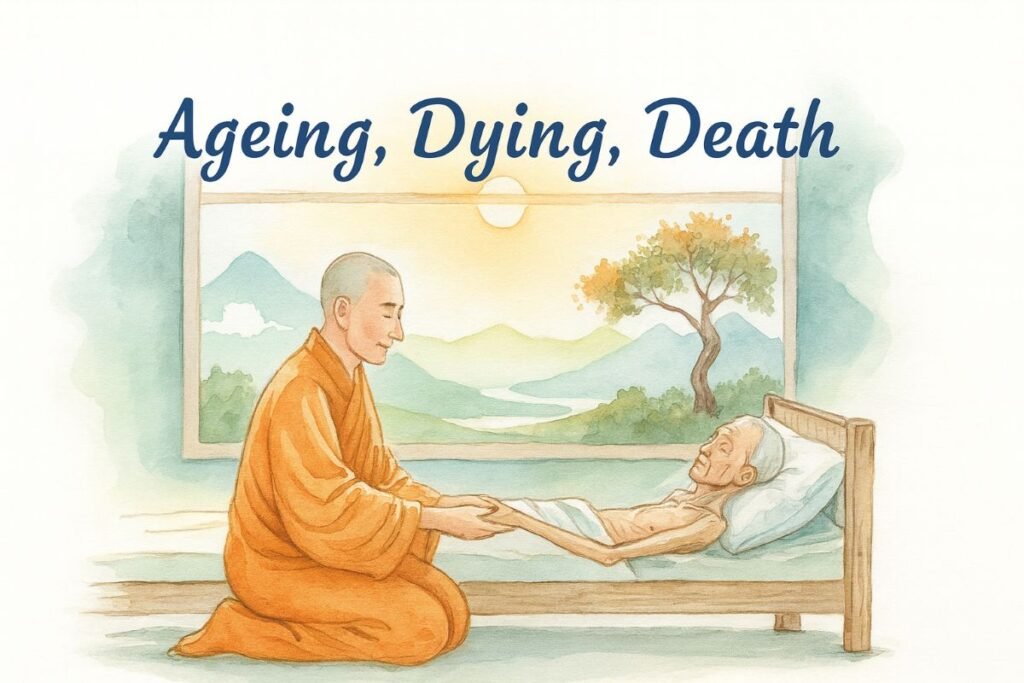
- Your Calm is Contagious: Before entering the room, take a few mindful breaths to center yourself. Your peaceful presence is a greater gift than any words. Your state of mind can help stabilize theirs, directly supporting their spiritual trajectory.
- Practice “Being With,” Not “Fixing”: Let go of the need to say the perfect thing. Often, silent, attentive presence is what is needed. Simply hold a hand, make gentle eye contact, or be still in the room.
- Skillful Speech: Speak softly, honestly, and kindly. Offer reassurance like, “It’s okay to let go. We will be alright. You are loved.” If appropriate, you can recite simple, calming phrases or verses from teachings they loved.
- Create a Sacred, Calm Environment: This is of paramount importance. Keep the space tidy, quiet, and softly lit. Minimize loud noises, frantic comings and goings, and emotionally charged conversations near the dying person. This is the practical application of the teaching on the mind at death.
- Support the Body and Senses: Offer gentle touch if welcome. Keep lips moistened. Play soft, instrumental music. These small acts of care are expressions of boundless compassion that help soothe the mind.
6. Addressing Common Questions and Misunderstandings
Q: Isn’t focusing on death morbid and depressing?
A: It can feel that way initially, just like looking at a map of a difficult journey might feel daunting. But the map is not the journey; it is a tool to navigate it skillfully. Regular, mindful reflection on death is proven to decrease fear and increase one’s appreciation for life, clarifying priorities. It is about making friends with reality, not obsessing over a nightmare.
Q: Does belief in rebirth mean Buddhists don’t grieve?
A: Not at all. Grief is a natural human response to the loss of a loved one’s physical presence, their voice, their touch. Buddhism fully acknowledges the pain of separation (dukkha). However, the perspective of rebirth can soften the sharp edges of absolute finality. Grief is processed not with a sense of “they are gone forever,” but often with prayers for their peaceful journey and a recognition of the interconnected, continuing nature of life.
Q: Is karma “blaming the victim” if someone gets sick or dies young?
A: This is a critical point. Karma is not a simple, one-to-one, judgmental system. It is a complex web of countless causes and conditions across lifetimes. To say a specific illness is the “result” of a specific past action is considered an unwise and unskillful view. The Buddha refused to speculate on such precise karmic details. In the present moment, the Buddhist response to anyone’s suffering, regardless of its perceived cause, is always compassion and help.
Q: What is the difference between reincarnation and rebirth?
A: This is a key distinction. Reincarnation implies a fixed soul or self that transmigrates. Buddhism, with its teaching of anatta (non-self), teaches rebirth. Think of it as a process rather than a thing moving. It is the continuation of a stream of consciousness and karmic patterning, like a wave moving through water—the wave form continues, but the water molecules are always changing. There is continuity without a permanent identity.
7. Conclusion: Integrating the Teachings into a Whole Life
The Buddhist perspectives on aging, dying, and death are ultimately not about death at all. They are a comprehensive guide for living with wisdom. By integrating an awareness of impermanence into our daily life, we learn to hold our joys more lightly and our sorrows more gently. We are motivated to repair relationships, live with integrity, and appreciate the fleeting beauty of the present.
Aging becomes not a decline, but a stage of life rich with opportunity for reflection, teaching, and the maturation of compassion. Dying transforms from a terrifying unknown into the final chapter of a life well-lived, an opportunity for profound letting go and, for a practitioner, a moment of potential great clarity.
This path does not remove the poignancy or the pain of loss. Instead, it offers a vast container of understanding and compassion within which our very human experiences can be held, understood, and ultimately, liberated. It invites us to look directly at the nature of existence, and in doing so, to find a peace that is not dependent on youth, health, or permanence, a peace that is unshakable.
Glossary of Key Terms
| English Term | Pali/Sanskrit Term | Explanation |
|---|---|---|
| Impermanence | Anicca (Pali) | The fundamental truth that all conditioned phenomena are transient, in constant flux, and will cease. |
| Suffering/Unsatisfactoriness | Dukkha (Pali) | The inherent stress, unease, or dissatisfaction that arises from clinging to impermanent things. |
| Non-Self | Anattā (Pali) | The teaching that there is no permanent, independent, fixed soul or self within the ever-changing stream of physical and mental processes. |
| Karma | Kamma (Pali)/Karma (Skt) | The law of cause and effect; intentional actions of body, speech, and mind that shape future habits, experiences, and circumstances. |
| Rebirth | Punabbhava (Pali) | The arising of a new existence conditioned by karma and craving; the continuity of a process, not the transmigration of a soul. |
| Cyclic Existence | Saṃsāra (Pali/Skt) | The ongoing cycle of birth, aging, death, and rebirth driven by ignorance and craving. |
| Mindfulness | Sati (Pali) | The quality of aware, present-moment attention, without judgment or reactivity. |
| Loving-Kindness | Mettā (Pali) | A meditation practice cultivating unconditional, inclusive friendliness and goodwill toward all beings. |
| Compassion | Karuṇā (Pali) | The heartfelt wish for others to be free from suffering, accompanied by a readiness to help. |
| Equanimity | Upekkhā (Pali) | A balanced, calm state of mind that remains steady and impartial amidst life’s ups and downs, based on wisdom. |
| Bodhisattva | Bodhisatta (Pali)/Bodhisattva (Skt) | A being committed to attaining enlightenment not solely for themselves, but for the liberation of all sentient beings. |
| Intermediate State | Bardo (Tibetan) | The transitional state between death and the next rebirth, described in detail in Tibetan Buddhism. |
| Death Poem | Jisei (Japanese) | A poem written at the moment of death, particularly in the Zen tradition, expressing a final insight into life and impermanence. |
| Pure Land | Sukhāvatī (Skt) | In Mahayana Buddhism, a blissful realm created by a Buddha (like Amitabha) where beings can be reborn to pursue enlightenment free from ordinary sufferings. |
| Liberation | Nibbāna (Pali)/Nirvāṇa (Skt) | The ultimate goal of Buddhist practice; the unconditioned state of perfect peace, freedom, and the extinguishing of the fires of greed, hatred, and delusion. |
| Generosity | Dāna (Pali) | The practice of giving, the foundational virtue that weakens selfish attachment and creates positive karma. |